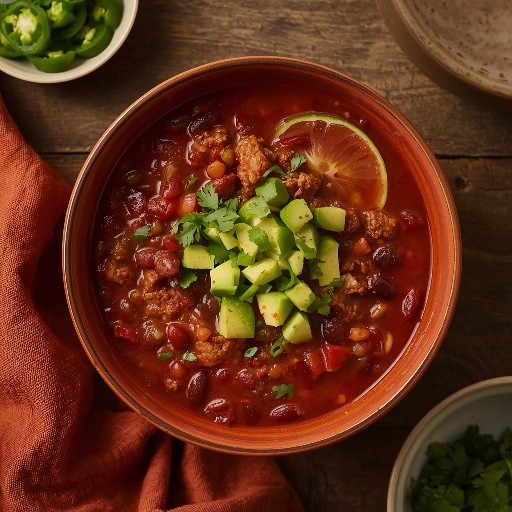
Big flavor, controlled salt — and a bowl that works for people who actually have to watch their sodium.
Why Low Sodium Chili Is Harder Than It Looks
Most chili recipes, even homemade ones, carry a surprisingly high sodium load. It’s not always obvious why until you look at the ingredient list: canned beans packed in salted liquid, canned tomatoes with added salt, store-bought chili seasoning packets loaded with sodium, and sometimes canned broth on top of all that. A single bowl can easily push past 1,000 milligrams of sodium — nearly half the daily recommended limit for healthy adults, and well over the limit for people managing hypertension or heart disease.
According to the American Heart Association, the recommended daily sodium limit for most adults is no more than 2,300 milligrams, with an ideal target closer to 1,500 milligrams for those with high blood pressure or cardiovascular risk. That context matters when you’re looking at a recipe that can sneak in 900–1,200mg per serving before you’ve added a grain of table salt.
Ground turkey chili is a good starting point because the protein itself is naturally low in sodium. The work is in managing everything that goes around it — the canned goods, the seasoning, the broth. This recipe addresses each of those sources deliberately.
What Makes Ground Turkey a Good Choice Here
Ground beef and ground turkey are interchangeable in most chili recipes from a technique standpoint, but turkey has a few characteristics that matter for a low-sodium context specifically.
Lower Saturated Fat
Ground turkey — particularly 93% lean — has significantly less saturated fat than regular ground beef. For people managing their sodium intake because of cardiovascular concerns, saturated fat is often on the watchlist too. Using turkey addresses both at once without requiring a separate substitution.
Neutral Flavor That Takes Seasoning Well
Turkey has a milder flavor than beef, which is actually useful here. Because the goal is to build depth without leaning on salt, you need a meat that will absorb and carry seasoning rather than compete with it. Turkey does this well. It won’t taste thin or bland — it takes on whatever you cook it in.
Widely Available and Reasonably Priced
Nothing niche about this ingredient. Ground turkey is in every grocery store, usually alongside the beef, and is typically priced competitively. There’s no specialty sourcing required for this recipe.
The Sodium Problem: Where It Hides in Chili
Before the recipe itself, it’s worth mapping out exactly where sodium accumulates in a standard chili. This helps you make smart substitutions even if you adapt the recipe later.
Canned Beans
A standard 15-ounce can of kidney beans in salted liquid contains 400–500mg of sodium. Most chili recipes use two cans, sometimes three. That’s potentially 1,500mg of sodium before anything else goes in.
Fix: Buy no-salt-added canned beans, or rinse regular canned beans thoroughly under cold water. Rinsing removes roughly 40% of the sodium, according to food science data. No-salt-added versions eliminate it almost entirely.
Canned Tomatoes
A standard 14-ounce can of diced tomatoes with added salt contains 300–400mg of sodium. Again, most chili recipes use at least one can, sometimes two.
Fix: Buy no-salt-added canned tomatoes. They’re in the same aisle, often the same brand, and taste essentially identical once the chili is cooked.
Chili Seasoning Packets
This is the biggest single-source problem. A standard chili seasoning packet typically delivers 300–500mg of sodium per tablespoon — and a packet contains multiple tablespoons. Making your own spice blend from individual ground spices costs almost nothing and eliminates this entirely.
Store-Bought Broth
Regular chicken or beef broth runs 800–900mg of sodium per cup. Low-sodium versions bring that down to 70–150mg. No-sodium broth exists too, closer to 0–15mg per cup.
Fix: Use low-sodium or no-sodium broth. The flavor difference in a simmered chili is minimal.
Worcestershire Sauce and Other Add-Ins
Small additions add up. A tablespoon of Worcestershire sauce adds around 65mg. A tablespoon of soy sauce adds over 800mg. Hot sauce adds 100–200mg per tablespoon depending on the brand. These are easy to either skip or substitute.
The Low Sodium Ground Turkey Chili Recipe
Ingredients (Serves 6)
The protein:
- 1.5 lbs ground turkey (93% lean)
- 1 tablespoon olive oil
The vegetables:
- 1 large yellow onion, diced
- 1 green bell pepper, diced
- 1 red bell pepper, diced
- 4 cloves garlic, minced
- 1 jalapeño, seeded and finely chopped (optional, for heat)
The base:
- 2 cans (15 oz each) no-salt-added kidney beans or black beans, drained and rinsed
- 1 can (28 oz) no-salt-added crushed tomatoes
- 1 can (14 oz) no-salt-added diced tomatoes
- 1 cup low-sodium chicken broth (70mg sodium or less per cup)
The spice blend (homemade, no added salt):
- 2 tablespoons chili powder
- 1½ teaspoons ground cumin
- 1 teaspoon smoked paprika
- 1 teaspoon garlic powder
- 1 teaspoon onion powder
- ½ teaspoon dried oregano
- ½ teaspoon black pepper
- ¼ teaspoon cayenne pepper (adjust to taste)
- ¼ teaspoon cinnamon (optional — adds a subtle warmth)
Flavor boosters (sodium-free or near-zero):
- 1 tablespoon tomato paste (no-salt-added)
- 1 tablespoon apple cider vinegar (added at the end)
- 1 teaspoon unsweetened cocoa powder
- 1 teaspoon brown sugar or maple syrup
Estimated Sodium Per Serving
Using the no-salt-added ingredients listed above, the estimated sodium per serving (1 of 6) is approximately 180–240mg, depending on the specific brands used. That’s a significant drop from a typical chili recipe and falls well within low-sodium dietary guidelines.
Step-by-Step Instructions
Step 1: Brown the Turkey
Heat the olive oil in a large Dutch oven or heavy-bottomed pot over medium-high heat. Add the ground turkey and break it up with a wooden spoon as it cooks. Let it get some color — don’t stir it constantly. Browning creates flavor compounds (the Maillard reaction) that contribute significantly to depth, and you need every source of flavor you can get when salt is reduced.
Cook until no pink remains, about 7 to 8 minutes. Drain any excess liquid but leave a small amount in the pan — this carries flavor.
Step 2: Cook the Aromatics
Push the turkey to one side of the pot and add the diced onion and bell peppers. Cook over medium heat for 5 to 6 minutes, until softened and starting to turn golden at the edges. Add the garlic and jalapeño and cook for another minute.
This is one of the most important steps for building a low-sodium chili that doesn’t taste flat. Properly softened and lightly browned aromatics provide sweetness and depth that compensate meaningfully for reduced salt.
Step 3: Add the Tomato Paste and Spices
Add the tomato paste directly to the pot and stir it into the meat and vegetables. Cook for 2 minutes, stirring constantly. You want the paste to darken slightly and start sticking to the bottom of the pot — this concentrates its flavor and cooks out the raw tomato taste.
Add all the spices. Stir and cook for another 60 to 90 seconds. Toasting spices briefly in the oil and fat before adding liquid intensifies their flavor considerably. This step is easy to skip and shouldn’t be.
Step 4: Add the Liquids and Beans
Pour in the crushed tomatoes, diced tomatoes, and chicken broth. Stir to combine and scrape up any browned bits from the bottom of the pot — those bits are flavor. Add the drained and rinsed beans and the cocoa powder.
Stir everything together. The cocoa powder won’t make the chili taste like chocolate — it adds a subtle earthiness and rounds out the bitterness of the chili powder.
Step 5: Simmer
Bring the chili to a boil, then reduce heat to low. Partially cover the pot and simmer for at least 30 minutes, ideally 45 to 60 minutes. The longer it simmers, the more the flavors develop and the thicker the consistency becomes.
Stir every 10 to 15 minutes and check that it’s not sticking. If it gets too thick, add a small splash of water or broth.
Step 6: Finish and Adjust
In the last 5 minutes of cooking, add the apple cider vinegar and brown sugar. Stir and taste.
The vinegar brightens the flavor and makes everything taste a little more alive — this is one of the most useful techniques for low-sodium cooking. Acid does some of the perceptual work that salt normally does. The small amount of sugar balances the acidity of the tomatoes.
Taste carefully. If something seems missing, it’s likely one of three things: more acid (another small splash of vinegar), more heat (a pinch more cayenne), or more depth (a touch more cumin or smoked paprika). Resist the impulse to add regular salt until you’ve adjusted with these first.
The Low-Sodium Flavor Problem (And How to Solve It)
This deserves its own section because it’s the central challenge of low-sodium cooking, and chili is a good lens for it.
Salt doesn’t just add saltiness — it suppresses bitterness, enhances aromatics, and makes food taste more like itself. Reducing it significantly often makes food taste flat, not just less salty. Understanding what compensates for this is the key skill.
Acid
Apple cider vinegar, lime juice, and a small amount of citric acid all work. Add acid at the end of cooking, not the beginning. It lifts flavors that have become muted during a long simmer.
Umami
Umami — the savory fifth taste — can substitute for some of the depth that salt provides. Tomato paste, cocoa powder, and mushrooms (fresh or dried and powdered) are good umami sources in chili. They don’t make the chili taste like mushrooms or chocolate; they add a background savory quality.
Fat
Fat carries and amplifies flavor. The olive oil used for browning helps here, as does leaving a small amount of the fat rendered from the turkey in the pot.
Layers of Aromatics
Onion, garlic, bell pepper, and dried spices properly cooked — not just dumped in raw — create layers of flavor that are less dependent on salt to taste complete. The difference between spending 10 minutes on your aromatics and adding them all at once is significant in a low-sodium context.
Toppings That Won’t Blow Your Sodium Budget
Toppings matter more than people think. A tablespoon of regular shredded cheddar is fine (about 90mg). But sour cream, pre-shredded cheese blends, store-bought salsa, and corn chips can each add several hundred milligrams quickly.
Lower-sodium topping options:
- Diced fresh avocado or a spoonful of homemade guacamole (nearly zero sodium)
- Plain Greek yogurt instead of sour cream (about half the sodium)
- Sliced fresh jalapeño
- Diced white or red onion
- Squeeze of fresh lime juice
- Fresh cilantro
- A small amount of fresh shredded cheese rather than pre-shredded (which contains anti-caking agents that add sodium)
None of these feel like compromises if you’ve made a good chili underneath.
Make-Ahead, Storage, and Freezing
Make-Ahead
Chili is one of those dishes that is genuinely better the next day. The flavors meld and deepen overnight in the refrigerator. If you have time to plan, make it a day ahead and reheat before serving. It requires no extra work and tastes noticeably better.
Refrigerating
Store in an airtight container for up to 4 days. Reheat on the stovetop over medium-low heat with a small splash of water or broth to loosen it, since it thickens considerably as it sits.
Freezing
This chili freezes very well. Let it cool completely, then portion into freezer-safe containers or zip-lock bags (laid flat). It keeps for up to 3 months. Thaw overnight in the refrigerator and reheat slowly. The texture holds up well — beans and ground turkey both freeze without significant quality loss.
This makes it practical to cook a large batch, freeze it in individual portions, and have ready-made low-sodium meals available for weeks.
Adapting the Recipe for Specific Dietary Needs
For Lower Carbohydrate
Reduce the beans to one can or omit them entirely. Add diced zucchini, chopped cauliflower, or extra bell pepper to maintain volume and texture. The chili will be thinner without beans, so reduce the broth slightly.
For Higher Protein
Add a second pound of ground turkey. The recipe scales up easily. You may need to extend the simmer time slightly to reduce the increased liquid.
For Kidney Disease Diets (Very Low Sodium and Potassium)
Tomatoes and beans are both high in potassium, which can be a concern for people with kidney disease who are managing both sodium and potassium. Leaching beans (soaking in water, draining, rinsing multiple times) reduces potassium content. Smaller portions of tomatoes with more broth as the base is another adjustment. If this is your situation, working with a registered dietitian who specializes in renal diets will give you much more precise guidance than a general recipe can.
How This Compares to Regular Chili Nutritionally
The sodium reduction is the headline, but it’s worth noting the broader nutritional picture of this recipe.
Per serving (1 of 6), approximate values:
- Calories: 290–320
- Protein: 28–32g
- Total fat: 8–10g (mostly unsaturated)
- Fiber: 10–12g
- Sodium: 180–240mg
That’s a high-protein, high-fiber meal with a sodium level that fits comfortably into a low-sodium diet. The fiber content from the beans is worth noting specifically — dietary fiber supports cardiovascular health through several mechanisms, including cholesterol reduction. The Harvard T.H. Chan School of Public Health’s Nutrition Source documents the relationship between high-fiber diets and reduced cardiovascular risk, which is directly relevant for the people most likely to be making a low-sodium version of this recipe.
A Few Practical Tips Before You Start
Buy your no-salt-added canned goods before the day you cook. Not every store carries them in every variety. If your usual grocery store doesn’t stock no-salt-added kidney beans, check a natural foods store or look online. Having the right ingredients matters far more for a low-sodium recipe than for a regular one.
Make your own spice blend the night before. Measure out the spices, mix them in a small bowl, and cover with plastic wrap. This removes one variable on cooking day and lets you smell and adjust the blend before it goes into the pot.
Use the biggest pot you own. This recipe makes a large batch, and you want room to stir without splashing. A Dutch oven of at least 5 to 6 quarts is ideal.
Don’t rush the simmer. The 45-minute minimum simmer is doing real work — developing flavor, thickening the base, and letting the spices bloom properly. Cutting it short to 20 minutes will leave you with chili that tastes undercooked, regardless of sodium content.
Summary: The Chili That Actually Works for Low-Sodium Eaters
The hardest thing about low-sodium cooking isn’t finding recipes. It’s finding recipes where the reduced salt isn’t the most noticeable thing about the dish. This chili accomplishes that through deliberate flavor layering — browned meat, properly cooked aromatics, toasted spices, tomato paste, cocoa, acid at the end — so that the absence of salt is filled by other things.
It takes the same amount of time as a regular chili. It uses mostly pantry ingredients. And it produces a genuinely satisfying bowl of food that doesn’t taste like it’s missing anything.
See Also – What to Make with Leftover Corned Beef: 20 Ideas Beyond the Plate
See Also – Recipes with Leftover Rice and Eggs: 18 Meals Worth Making