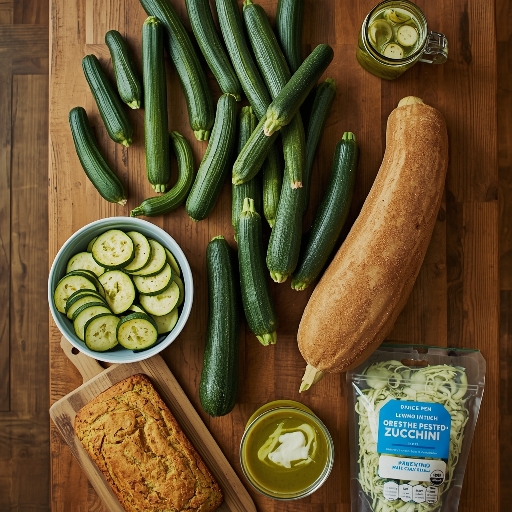
Every gardener who has ever planted zucchini knows the moment. It starts with one or two, manageable, exciting. Then you miss a day of checking, and suddenly there are eight. Miss a weekend and you’re standing in the garden holding something the size of a baseball bat, wondering how this happened and what on earth you’re going to do with it.
Zucchini is, without question, the most prolific vegetable in a home garden. A single well-established plant can produce several pounds of fruit per week at peak season. Two plants and you’re already giving bags to neighbors. Three and you’re leaving zucchini on doorsteps anonymously at night.
This article covers cooking, preserving, giving away, and repurposing an overwhelming quantity of garden zucchini — practically, honestly, and with enough detail to actually follow through.
Understanding What You’re Working With
Not all garden zucchini is the same thing. The size and age of the fruit changes what it’s useful for, and treating them all identically is where a lot of people go wrong.
Small zucchini (under 6 inches): These are the ones you want to eat fresh. The skin is tender, the flesh is firm, the seeds are barely developed, and the flavor is at its best. Cook these simply — raw in salads, sautéed in olive oil, grilled, or roasted. Don’t do anything complicated with them. They don’t need it.
Medium zucchini (6 to 10 inches): Still very good for cooking. The seeds are slightly more developed but not intrusive. These work in baked goods, stuffed preparations, soups, fritters, and most savory applications.
Large zucchini (over 10 inches): The seeds become more prominent, the flesh softer, and the flavor more watery and neutral. These are better for baking (the extra moisture can be an asset in quick breads), soups, and any preparation where the zucchini is going to be pureed or heavily processed. Scoop out the seeds before using in most savory recipes.
Oversized zucchini (genuinely enormous): These are still usable. They’re perfect for stuffing — the large cavity created when you scoop out the seeds becomes a natural vessel. They also work for zucchini boats and for grating into baked goods where the water content doesn’t matter.
Knowing the category saves a lot of frustration. A baseball-bat zucchini does not belong in a stir-fry. It belongs in a loaf pan.
Cooking: Fresh Uses That Actually Get Made
Zucchini Fritters
This is one of the most reliable and genuinely enjoyed ways to use a large quantity of grated zucchini. Grate two to three medium zucchini and place in a colander with a generous pinch of salt. Let it sit for fifteen minutes, then squeeze out as much water as possible — use your hands, then a clean kitchen towel, then squeeze again. The amount of water that comes out is always surprising.
Mix the drained zucchini with two beaten eggs, half a cup of flour, a handful of grated Parmesan, salt, pepper, and sliced scallion or fresh dill. Form into small patties and fry in oil over medium-high heat for three to four minutes per side until dark golden and crisp.
These are excellent with sour cream, yogurt, or just eaten standing over the stove. They also reheat well in a toaster oven the next day. One batch uses up two to three medium zucchini and takes about thirty minutes start to finish.
Grilled Zucchini
Simple and underrated. Slice zucchini lengthwise into planks about a quarter inch thick. Brush with olive oil, season with salt and pepper. Grill over high heat for two to three minutes per side until char marks appear and the zucchini is just tender but not limp.
Dress immediately with lemon juice, a drizzle of good olive oil, fresh herbs (basil, mint, or parsley all work), and if you have it, a scatter of crumbled feta or shaved Parmesan.
Grilled zucchini left at room temperature and dressed this way is actually better after twenty minutes than it is straight off the grill. The flavors settle. It works as a side dish, over pasta, or in a grain bowl.
Zucchini Soup
Two large or four medium zucchini, one onion, two cloves of garlic, chicken or vegetable stock, and a handful of fresh basil. Sweat the onion and garlic in olive oil until soft, add roughly chopped zucchini, pour in enough stock to cover, and simmer for fifteen minutes until the zucchini is completely tender. Blend until smooth. Season with salt, white pepper, and a squeeze of lemon.
This soup is better than it sounds — light, summery, and surprisingly rich-tasting from the blended zucchini. Serve warm or cold. A spoonful of pesto swirled into each bowl is a significant upgrade.
One batch of this soup uses three to four large zucchini and stores in the fridge for four days or freezes well for three months.
Zucchini Stir-Fry
Cut small or medium zucchini into half-moons or matchsticks. Heat a wok or large skillet over high heat with a neutral oil. Add garlic and ginger, fry for thirty seconds, then add the zucchini in a single layer if possible. Don’t stir immediately — let it sear for a minute.
Season with soy sauce, a splash of sesame oil, and oyster sauce if you have it. Add sliced scallion and a pinch of chili flakes. Serve over rice.
This works with a pound of small zucchini in about ten minutes. The high heat and short cooking time preserve texture — zucchini stir-fried over medium heat goes limp and watery, which is where people get disillusioned with it.
Stuffed Zucchini Boats
Cut large zucchini in half lengthwise. Scoop out the centers with a spoon, leaving a half-inch shell. Rough-chop the scooped flesh.
Make a filling: brown ground beef, turkey, or sausage in a pan with diced onion and garlic. Add the chopped zucchini flesh, diced tomatoes, Italian seasoning, salt, and pepper. Cook until the moisture reduces. Fill the zucchini shells generously with the mixture. Top with shredded mozzarella. Bake at 375°F for twenty-five to thirty minutes until the shells are tender and the cheese is golden.
These are a complete dinner. They use large zucchini that would otherwise be problematic, and they reheat well the next day.
Zucchini Noodles (Zoodles)
A spiralizer or a vegetable peeler creates zucchini ribbons that stand in for pasta in lighter meals. The key thing to know: zucchini noodles release a lot of water when they sit, especially when salted or dressed. Salt them lightly, let them drain for fifteen minutes, and dry with a paper towel before using.
Serve with pesto, aglio e olio-style olive oil and garlic, or a chunky tomato sauce. Don’t cook them in the sauce for more than two minutes or they’ll collapse. They’re better slightly warm and al dente than fully cooked and soft.
These are most useful for people specifically looking for a lower-carbohydrate option. For everyone else, the pasta recipes in this article work fine with actual pasta.
Baking: The High-Volume Solution
Zucchini Bread
This is the most classic solution to too many zucchini, and it remains popular for good reason — it works, it tastes good, and it freezes beautifully.
The basic formula: two cups of grated zucchini (squeezed of excess moisture), two eggs, half a cup of oil, three quarters of a cup of sugar, a teaspoon of vanilla, one and a half cups of flour, a teaspoon of cinnamon, half a teaspoon each of baking soda and baking powder, and a pinch of salt. Mix wet ingredients separately, combine with dry ingredients, fold in the zucchini, bake in a loaf pan at 350°F for fifty-five to sixty minutes.
Variations: add a cup of chocolate chips. Add chopped walnuts. Add a teaspoon of orange zest. Add a quarter cup of cocoa powder for a chocolate version.
Each loaf uses two to three medium zucchini. Make four at once and freeze three. Zucchini bread freezes for three months and thaws overnight in the fridge without losing quality.
Zucchini Muffins
Same concept as zucchini bread but in muffin form — faster to bake (twenty to twenty-two minutes at 350°F) and easier to portion. These are good for school lunches and work well with a tablespoon of cream cheese spread on the cut surface.
The same batch of batter that makes one loaf makes twelve standard muffins or twenty-four mini muffins.
Chocolate Zucchini Cake
This is the recipe that converts people who claim to dislike zucchini. The zucchini is completely undetectable — it dissolves into the batter, adds moisture, and produces a cake with a dense, fudgy crumb that genuinely cannot be explained without knowing the ingredient.
Use a standard chocolate cake recipe and replace some of the oil with an equal amount of grated zucchini, or simply add a cup of grated zucchini to the batter without reducing anything else. The additional moisture makes the cake slightly more tender and stays moist for longer than a standard version.
Frost with chocolate ganache or a simple buttercream. No one will guess.
Zucchini Pancakes
Add half a cup of grated zucchini (squeezed dry) to a standard pancake batter. The zucchini disappears into the batter and the pancakes cook normally, but they’re slightly more moist and substantial. Good for getting vegetables into children who otherwise resist them.
Preserving: Dealing with Volume
Freezing Shredded Zucchini
This is the highest-volume method for dealing with a zucchini glut. Grate as many zucchini as you have, squeeze out the water in batches, then portion into two-cup quantities in zip-lock bags. Flatten the bags and freeze. Frozen shredded zucchini keeps for ten to twelve months.
Pull a bag out in December and use it in zucchini bread, muffins, soup, or fritters as if it were fresh. The texture softens on thawing — which is fine for baking and soups, slightly less ideal for fritters (still workable).
Labeling matters. Write the date and quantity on each bag. A freezer full of unlabeled green bags becomes a guessing game by February.
Freezing Blanched Zucchini Slices
For slices intended for cooking (not baking), blanch briefly before freezing to preserve texture. Slice zucchini into coins or chunks, blanch in boiling water for two minutes, transfer immediately to ice water, drain, and dry thoroughly. Freeze in a single layer on a baking sheet first, then transfer to bags so they don’t clump together.
These work well in soups, stews, and stir-fries straight from frozen. The texture is softer than fresh but acceptable in cooked preparations.
Pickled Zucchini
Quick-pickled zucchini is ready in twenty-four hours and keeps in the fridge for two to three weeks. Slice zucchini thinly — a mandoline is helpful here. Combine with sliced onion and pack into a jar. Pour a warm brine over: one cup of white wine vinegar, one cup of water, two tablespoons of sugar, a tablespoon of salt, and your choice of aromatics — dill seed, mustard seed, turmeric, garlic cloves.
Let cool, refrigerate overnight, and use as a condiment, sandwich layer, or salad component. The pickle cuts through rich foods well — good alongside grilled meat, on a burger, or in a grain bowl.
Dehydrating Zucchini Chips
Slice zucchini very thin — an eighth of an inch — on a mandoline. Season with salt, pepper, and any spices you like: nutritional yeast for a cheesy note, smoked paprika, garlic powder, or simply salt. Lay in a single layer on dehydrator trays and dry at 135°F for six to eight hours until crisp.
These are a reasonable snack and store in an airtight container for two weeks. They’re also good crumbled over soup or salad as a textural element. Without a dehydrator, a very low oven (170°F) on a wire rack set over a baking sheet works for three to four hours.
Giving Away Zucchini Strategically
Every gardener reaches the point where giving away zucchini is the only sensible option. The difference between successful giving and passive zucchini dumping is presentation and targeting.
Food banks and community organizations accept fresh vegetables and are often genuinely grateful for garden produce, especially later in summer when zucchini is at peak abundance. Call before arriving and ask what size and condition they can accept.
Neighbors with young children are often receptive to baked zucchini products rather than raw zucchini — arrive with a loaf of zucchini bread rather than a bag of vegetables and the response is universally warmer.
Local community Facebook groups or neighborhood apps are effective for offering large quantities. People respond better to “I have too many zucchini from my garden — free to anyone who wants them” than to a formal post. Honesty about having too many is actually charming.
Farmers markets: Some markets accept donations from home gardeners to redistribute to vendors or to community programs. Worth asking.
Restaurants and local chefs: Small, independently owned restaurants sometimes welcome fresh local produce, particularly unusual varieties or very small zucchini that restaurants value for presentation. Call ahead and offer a sample box.
Creative Non-Food Uses
This section is smaller than it might seem — zucchini’s uses outside the kitchen are limited — but there are a few genuine ones.
Compost: Any zucchini too large, damaged, or simply surplus to all other needs goes directly to the compost pile. Zucchini decomposes quickly and is a good green material that balances carbon-heavy materials like cardboard or dry leaves.
Seed saving: If you want to grow the same variety next year, allow one or two zucchini to fully mature — beyond the edible stage, until the skin hardens and the seeds inside are fully developed. Cut them open, scoop out the seeds, rinse and dry them on a paper towel for a week, and store in a paper envelope in a cool, dry place. This only works reliably with open-pollinated or heirloom varieties, not hybrids.
Zucchini as planting material: Zucchini leaves and plant material can go directly into a compost trench or be used as mulch around other plants once the season ends.
Preventing Next Year’s Overflow
The best solution to too many zucchini is producing fewer of them.
Plant fewer than you think you need. One plant for a family of four is usually enough. Two if you want plenty for preserving. More than two requires a plan.
Harvest very small. Zucchini picked at four to five inches is genuinely superior in flavor and texture to the same plant’s fruit left to grow to ten inches. More frequent small harvests also encourage the plant to continue producing, but the key is that small fruit is more useful across a wider range of recipes.
Remove the plant earlier. Zucchini plants slow down in late summer, but you can pull them entirely once the heat intensifies and the plant has produced enough. A second planting in midsummer can produce a smaller, better-managed late-season harvest.
Grow vertically. Training zucchini up a trellis doesn’t reduce production, but it makes harvesting easier and harder to miss. Fruit hidden under sprawling leaves is the main reason oversized zucchini appear — they’re simply not seen until it’s too late.
A Quick Reference by Zucchini Size
| Zucchini Size | Best Uses |
|---|---|
| Under 6 inches | Raw salads, grilling, sautéed, stir-fry |
| 6–10 inches | Fritters, soups, stuffed boats, baking |
| 10–15 inches | Stuffed boats, grating for bread, freezing |
| Over 15 inches | Seeded and stuffed, grated for baking, compost if truly beyond use |
Final Thoughts
Too many zucchini from the garden is one of those genuinely pleasant problems to have, even if it doesn’t feel that way in the moment. The solutions are real and varied — fritters for dinner tonight, loaves in the freezer for November, pickles in the fridge for the next two weeks, bags to neighbors who actually wanted them.
The zucchini growing at an alarming rate in your garden right now will not wait. It will be larger tomorrow. Grate it, freeze it, bake it, pickle it, share it — in roughly that order of priority.
And next spring, plant one fewer than you planted this year. Maybe two fewer.
See Also – What to Make with Leftover Corned Beef: 20 Ideas Beyond the Plate
See Also – Recipes with Leftover Rice and Eggs: 18 Meals Worth Making