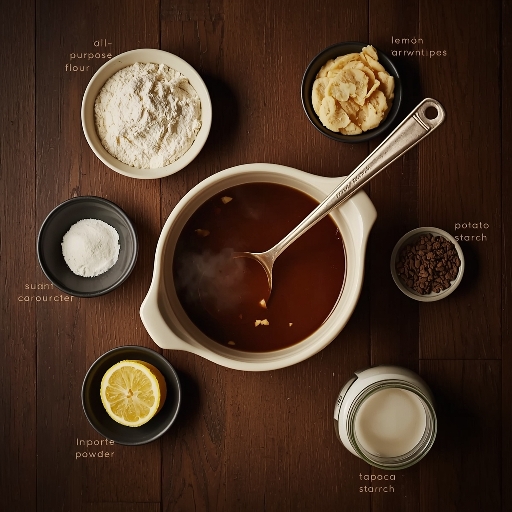
Gravy is one of those things that seems simple until it isn’t. The meat is rested, the pan drippings are ready, and then you reach for the cornstarch and the box is empty. Or maybe you’re cooking for someone with a corn allergy. Or you’re simply curious whether there’s a better option for the style of gravy you’re making.
Good news: there are plenty of cornstarch alternatives that thicken gravy reliably. Some produce a clearer, glossier result. Some make the gravy richer and more opaque. A few are better for specific situations — like a make-ahead gravy that needs to reheat without breaking, or a gravy for someone avoiding gluten.
This guide covers all of them, explains exactly how to use each one, and tells you honestly when each option works best and when it doesn’t.
Why Cornstarch Works in Gravy (And What Any Substitute Has to Do)
Cornstarch thickens gravy through a process called gelatinization. When starch granules are mixed with liquid and heated, they absorb water, swell, and eventually burst — creating a thick, smooth, slightly glossy gel. Cornstarch is particularly effective because it’s a nearly pure starch with no protein or fat to interfere with that process.
In gravy specifically, cornstarch is usually mixed with cold water first (a slurry) before being added to the hot liquid. This prevents clumping. It activates quickly — the gravy thickens within a minute or two of adding the slurry over medium heat.
Any substitute needs to do something similar: absorb liquid, swell when heated, and produce a smooth, cohesive texture without lumps, an off flavor, or a strange color.
The Best Substitutes for Cornstarch in Gravy
1. All-Purpose Flour
Best for: Classic brown gravy, roast pan gravies, everyday cooking
Flour is the most traditional gravy thickener — it predates cornstarch in most home kitchens, and it’s still what professional kitchens often reach for. It produces a thicker, more opaque, slightly creamier gravy compared to cornstarch’s glossier finish.
The key difference from cornstarch: flour needs more of it and more time. Use two tablespoons of flour for every one tablespoon of cornstarch your recipe calls for. And unlike cornstarch, flour needs to cook for at least two to three minutes after being added — otherwise the gravy will have a raw, starchy flavor.
There are two reliable ways to use flour:
The roux method: Melt butter in the pan (usually equal parts butter and flour by weight), whisk in the flour, cook the paste for one to two minutes until it smells slightly nutty, then gradually add your stock or pan drippings while whisking. This is the most foolproof approach and produces a very smooth gravy.
The slurry method: Whisk flour into cold water or cool stock until smooth, then pour into simmering gravy while stirring. This works, but flour slurries are more prone to lumping than cornstarch slurries — strain the gravy through a fine-mesh sieve if lumps develop.
One downside: flour-thickened gravy doesn’t freeze and reheat quite as cleanly as cornstarch-thickened gravy — it can separate slightly. Still perfectly usable, just worth knowing.
2. Arrowroot Powder
Best for: Clear, glossy gravy; acidic gravies; freezer-friendly gravy
Arrowroot is a starch extracted from tropical root vegetables — it behaves very similarly to cornstarch but with a few advantages. It produces a clearer, more transparent gravy. It activates at a slightly lower temperature. And it holds up better in acidic environments (wine-based gravies, gravies with tomato or citrus) where cornstarch can sometimes break down and lose its thickening power.
Use arrowroot in a 1:1 ratio with cornstarch. Mix it with cold water first — same as cornstarch — and add it to simmering gravy while stirring. It thickens quickly, often within sixty seconds.
The main caveat: don’t let arrowroot-thickened gravy boil hard or overheat for extended periods. High heat breaks down arrowroot and causes the gravy to thin again. Add it at the end, keep the heat moderate, and serve without prolonged simmering.
Arrowroot also freezes exceptionally well — it doesn’t separate or turn spongy when reheated, which makes it an excellent choice for make-ahead gravies.
3. Potato Starch
Best for: Gluten-free cooking, quick thickening, neutral flavor
Potato starch is ground from dried potatoes and is one of the more powerful starch thickeners available — it absorbs more water per gram than cornstarch does. That means you can use slightly less: about ¾ tablespoon of potato starch for every tablespoon of cornstarch.
It produces a smooth, fairly clear gravy — not quite as glossy as arrowroot, but cleaner-looking than flour. The flavor is completely neutral. It activates at a lower temperature than flour and is naturally gluten-free, which makes it a reliable option for anyone cooking around dietary restrictions.
Like arrowroot, potato starch doesn’t love prolonged boiling. Add it toward the end of cooking and serve without extended simmering. It reheats reasonably well but can thicken slightly more as the gravy cools, so thin with a splash of stock when reheating if needed.
4. Tapioca Starch (Tapioca Flour)
Best for: Slow cooker gravy, gravies that need to hold texture over time
Tapioca starch comes from cassava root and behaves well under conditions that trouble other starches. Most notably, it holds its thickening power through long, slow cooking — which makes it one of the few good options for gravy made in a slow cooker or kept warm in a chafing dish for an extended period.
Use it in a 1:1 ratio with cornstarch. Mix with cold water to form a slurry, add to simmering gravy, and stir until thickened.
Tapioca produces a slightly glossy, slightly sticky texture — more so than flour, less so than cornstarch. Some people notice a faint sweetness, but at the quantities used in gravy, it’s generally undetectable in a well-seasoned liquid.
It also freezes and reheats cleanly, which is a plus for batch cooking.
5. Rice Flour
Best for: Gluten-free gravy, lighter texture, Asian-style sauces
Rice flour is finely ground white or brown rice. It’s naturally gluten-free and produces a lighter, slightly less opaque gravy than all-purpose flour — somewhere between flour and cornstarch in terms of the final appearance.
Use about two tablespoons of rice flour per tablespoon of cornstarch. Like regular flour, rice flour needs to cook for a few minutes to lose its raw starchiness — whisk it into a little cold water or fat before adding to the gravy, and let it simmer for two to three minutes.
It reheats well and doesn’t separate as dramatically as wheat flour sometimes does. For gluten-free cooks who prefer a slightly opaque, full-bodied gravy over the cleaner look of arrowroot or potato starch, rice flour is a strong choice.
6. Reduction (No Thickener at All)
Best for: Pan dripping gravies, intensely flavored gravies, French-style sauces
Sometimes the best answer is to skip the thickener entirely and simply cook the gravy down.
If you have good pan drippings and a flavorful stock, simmering the liquid over medium-high heat — uncovered — concentrates the flavor and naturally thickens the gravy through evaporation. The collagen from bones and meat dissolves into gelatin, which gives the gravy body and a silky texture that no starch can fully replicate.
This takes time — fifteen to thirty minutes of active simmering depending on the volume — but the flavor payoff is significant. A well-reduced pan gravy from a roasted chicken or beef short ribs has a depth and richness that starch-thickened versions rarely match.
The practical requirement: you need enough liquid to start with. If you only have a small amount of drippings, reduction might leave you with too little gravy. In that case, add stock, reduce, and taste as you go.
7. Pureed Vegetables
Best for: Rustic gravies, adding nutrition, no-starch cooking
Cooked and pureed vegetables — onions, carrots, parsnips, roasted garlic, or even potato — can thicken gravy while also adding flavor. This technique is common in French country cooking and works particularly well with roasted meat gravies where vegetables were already cooking alongside the meat.
Remove a portion of the cooked vegetables from the pan, blend them smooth (an immersion blender works well directly in the pan), and stir the puree back into the gravy. The starch and fiber in the vegetables provide body without any additional thickening agent.
The texture is more rustic and less glossy than starch-thickened gravy — more of a thick sauce than a smooth, pourable gravy. Whether that’s a pro or a con depends entirely on what you’re making.
8. Butter (Beurre Manié or Finishing Butter)
Best for: Rich, French-style gravies; last-minute thickening; small adjustments
Beurre manié is equal parts softened butter and flour kneaded together into a paste. Small pieces are whisked into simmering gravy at the end of cooking — the butter melts and releases the flour gradually, thickening the liquid without risk of lumping.
Use about one tablespoon of beurre manié to thicken one cup of thin gravy. Whisk in small amounts and let it cook for two minutes before assessing whether more is needed.
This isn’t a starch-free option — it still uses flour — but it’s a different technique that’s particularly useful for last-minute adjustments and produces an exceptionally smooth, rich-tasting result. The butter also adds gloss and a rounded, full flavor that straight flour slurries don’t quite achieve.
9. Xanthan Gum
Best for: Gluten-free, low-carb, and keto gravies; very small quantities needed
Xanthan gum is a bacterial fermentation product used as a thickener and stabilizer in many gluten-free foods. A tiny amount goes a very long way. For gravy, start with just ⅛ teaspoon per cup of liquid and whisk vigorously — it thickens almost immediately at any temperature, without heat required.
The texture it produces is smooth and slightly viscous — some people find it has a faintly gummy or gel-like quality if overused, which is the main risk. Add it conservatively, whisk thoroughly, and assess before adding more.
For keto or low-carb cooking specifically, xanthan gum is often the preferred thickener because it has essentially no carbohydrates or calories. It also doesn’t break down when reheated, which makes it reliable for gravies that need to sit or be stored.
Substitutes That Don’t Work Well in Gravy
A few options circulate online that are worth addressing directly:
Bread crumbs: They can thicken a liquid, but they add a gritty texture and soak up flavor unevenly. Not suitable for smooth gravy.
Egg yolks: Used in some French sauces to add richness and slight body, but they curdle if the temperature gets too high and the technique is fiddly. Not a practical swap for home gravy.
Gelatin: Works for cold-set applications, but doesn’t produce a pourable gravy at serving temperature — the gravy needs to be cold to firm up. Wrong application.
A Practical Comparison Table
| Substitute | Ratio vs. Cornstarch | Texture | Gluten-Free | Best For |
|---|---|---|---|---|
| All-purpose flour | 2:1 | Opaque, creamy | No | Classic brown gravy |
| Arrowroot | 1:1 | Clear, glossy | Yes | Acidic or make-ahead |
| Potato starch | ¾:1 | Clear, smooth | Yes | Quick thickening |
| Tapioca starch | 1:1 | Glossy, slight stickiness | Yes | Slow cooker gravy |
| Rice flour | 2:1 | Slightly opaque | Yes | Gluten-free cooking |
| Reduction | — | Silky, concentrated | Yes | Pan dripping gravies |
| Pureed vegetables | Varies | Rustic, thick | Yes | Roasted meat gravies |
| Beurre manié | ~1 tbsp per cup | Smooth, rich | No | Last-minute adjustments |
| Xanthan gum | ⅛ tsp per cup | Smooth, slightly viscous | Yes | Keto/low-carb gravies |
Tips for Thickening Gravy Without Lumps
Regardless of which substitute you use, technique matters just as much as the ingredient itself.
Always mix starch with cold liquid first. Adding dry starch directly to hot gravy causes instant clumping. Whisk any powder — cornstarch, arrowroot, potato starch, flour — into cold water, cold stock, or cool fat before it touches the simmering liquid.
Add slowly while stirring. Pour the slurry in gradually — not all at once — while whisking constantly. This gives the starch time to distribute evenly before it starts to gel.
Give it time to activate. Don’t judge thickness too quickly. Most starch thickeners need one to three minutes of gentle simmering to fully activate. The gravy will look thin, then thicken noticeably. If you add more before giving it time, you’ll overshoot.
Strain if needed. Even careful technique can produce minor lumps, especially with flour. A fine-mesh sieve takes ten seconds to pass the gravy through and fixes almost any lumpiness issue instantly.
Season after thickening. Thickening concentrates flavor. Taste and adjust salt, pepper, and any other seasonings after the gravy reaches its final consistency.
Which Substitute Should You Actually Use?
If you want a direct answer based on the most common situations:
You’re making a classic roast dinner gravy and have flour: Use flour with a roux. It’s traditional, reliable, and the flavor is excellent. Give it three minutes to cook out the raw starch taste.
You want a cleaner, clearer finish: Use arrowroot. It behaves like cornstarch but produces a slightly more refined result and tolerates acidity better.
You’re cooking gluten-free: Arrowroot, potato starch, or rice flour are all solid choices. Arrowroot is the most versatile.
You’re making a slow cooker or make-ahead gravy: Tapioca starch or arrowroot — both hold up through extended cooking and freeze cleanly.
You want maximum flavor and don’t mind the time: Reduce the pan drippings and stock. No starch needed, and the flavor will be noticeably better than any thickened version.
You’re cooking keto or low-carb: Xanthan gum in tiny quantities. Nothing else really works at that carb level.
Final Thoughts
Cornstarch is a fine thickener, but it’s far from the only one — and for some gravies, it’s not even the best one. Flour produces a heartier, more traditional result. Arrowroot is cleaner and more versatile. A well-reduced pan sauce beats both of them on flavor.
The substitute that makes sense depends on what you’re cooking, what you have available, and whether any dietary constraints are in play. Start with what’s in your pantry, use the technique notes above, and taste as you go.
Gravy, at the end of the day, is a fairly forgiving thing. It doesn’t need cornstarch. It just needs patience.
See Also – Creamy Chili Crisp Pasta Recipe: The 15-Minute Weeknight Wonder That’s Taking Over American Kitchens