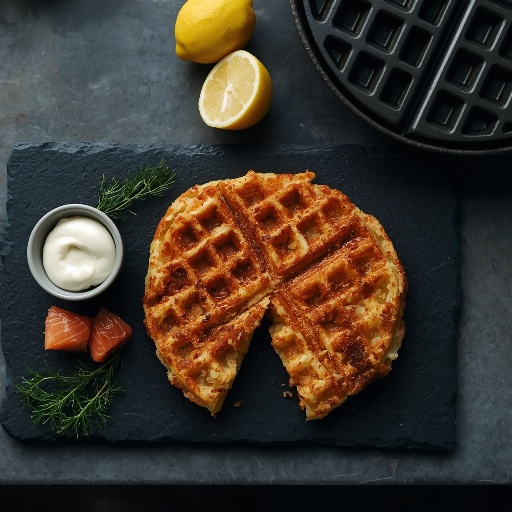
Oregon grows more potatoes than most people realise, and the Willamette Valley’s farm-fresh spuds are among the best in the Pacific Northwest. This guide covers everything about making genuinely crispy hash browns in a waffle iron — the potato choice, the moisture removal, the press technique, and six Oregon-inspired variations worth trying.
| 10 min | 8–10 min | 1–2 | 1 |
| Prep time | Cook time | Servings | Pan to wash |
Why Oregon and Potatoes Go Together
Oregon is not the first state people think of when potatoes come up — that’s Idaho, and understandably so. But Oregon is a significant potato-producing state in its own right, and the Willamette Valley, the Columbia Basin, and the Klamath Basin all produce substantial commercial potato crops. Eastern Oregon, in particular, shares the high-desert, volcanic-soil growing conditions that make Idaho potatoes so good.
For home cooks in Oregon, this means genuinely fresh, locally grown potatoes at farmers markets in Portland, Eugene, Bend, and Ashland from late summer through fall, and good regional supply through grocery stores year-round. The quality difference between a fresh Oregon Russet from a Portland farmers market and a bag of potatoes that’s been in a distribution warehouse for six weeks is real and noticeable in a recipe that depends on the potato’s natural starch content — like hash browns.
Oregon’s potato production: According to the USDA National Agricultural Statistics Service Oregon field office, Oregon consistently ranks among the top ten potato-producing states in the country, with production concentrated in the Klamath Basin and Columbia Basin regions. The state produces both fresh-market and processing potatoes, with Russet Burbank and Russet Norkotah among the most common varieties. For anyone cooking hash browns in Oregon, access to fresh, high-starch Russet varieties is better than in most of the country — and that starch content is exactly what makes crispy hash browns possible.
Why the Waffle Iron Works Better Than a Skillet
Hash browns in a skillet require attention. You need the right amount of oil, the right temperature, the right amount of patience to leave them alone, and a confident flip at exactly the right moment. Get any one of those wrong and you get hash browns that are burnt on the outside and raw in the middle, or pale and soft all the way through.
A waffle iron solves most of these problems simultaneously. It applies direct, even heat from both the top and the bottom at the same time. There’s no flipping. The surface contact is consistent across the entire hash brown. The grooves create channels that increase the surface area exposed to heat, which is precisely what produces crispiness. And the closed lid holds the potato in shape, which means the finished hash brown comes out as a uniform, structured piece rather than a pile of loose shreds.
The Maillard reaction on two surfaces at once: The crispiness of a good hash brown comes from the Maillard reaction — the chemical browning that occurs when proteins and sugars in food are exposed to heat above approximately 140°C (280°F). In a skillet, this reaction happens on one surface at a time. In a waffle iron, it happens simultaneously on the top and bottom. The result is a hash brown that’s browned and crispy on both sides without any intervention — and the grooves create more direct surface contact than a flat pan, accelerating browning in the raised sections. This is why waffle iron hash browns are consistently crispier than skillet versions with far less effort.
The practical advantage for home cooking: once you close the waffle iron, you don’t need to do anything for 8–10 minutes. No adjusting the flame, no peeking, no spatula work. It’s a genuinely hands-off process that produces better results than most people manage with a skillet after years of practice.
Choosing the Right Potato
This is where most hash brown failures start. Not every potato produces a crispy hash brown, and understanding why helps you choose correctly at the store or farmers market.
| Russet Burbank | Russet Norkotah | Yukon Gold |
| Best choice | Excellent | Works well |
| Oregon-grown | Oregon-grown | |
| High starch, low moisture. The classic hash brown potato. Grates easily, releases moisture well, and produces the crispiest exterior of any variety. The definitive choice. | Similar starch content to Burbank, slightly less dense. Common in Oregon grocery stores. Nearly identical results to Burbank in a waffle iron hash brown. | Medium starch, buttery flavour. Produces a slightly softer interior than Russet with a golden colour from the yellow flesh. Good flavour but less crispy than a high-starch variety. |
| Red potatoes | Sweet potato | Frozen shredded hash browns |
| Not recommended | Different result | Convenient shortcut |
| Waxy, low starch, high moisture. Difficult to crisp regardless of technique. They hold their shape well for roasting but fight against crispiness in a hash brown context. | Higher sugar content means faster browning and a different flavour profile. Works well in the waffle iron but produces a different dish — sweeter, less savory, with a softer interior. Worth trying separately. | Pre-shredded frozen hash browns work surprisingly well in a waffle iron. Already have some moisture removed during processing. Thaw slightly and press dry before using. Not as good as fresh, but significantly faster. |
The Moisture Removal Step — The One That Changes Everything
This is the step most people skip, and it’s the reason most homemade hash browns are soft instead of crispy. Potatoes contain a significant amount of water. When that water hits a hot surface, it turns to steam, which prevents the Maillard reaction from occurring properly. The potato surface cooks but doesn’t brown — it steams itself from inside out.
Removing that moisture before the potato hits the waffle iron is the single most important step in this entire recipe. Everything else is secondary.
How much moisture is actually in a potato: Raw potatoes are approximately 79–80% water by weight, according to nutritional composition data from the USDA FoodData Central database. That’s nearly four-fifths of the potato’s total mass. Even after squeezing grated potato through a clean towel, you typically remove only 20–30% of that total water content — which is why the drying step needs to be thorough and deliberate, not a quick squeeze and move on. The more water you remove, the crispier the final hash brown.
The proper drying method
Grate the potato using the large holes of a box grater or a food processor’s shredding disc. Transfer immediately to the centre of a clean kitchen towel or several layers of cheesecloth. Gather the corners of the towel and twist, squeezing as hard as you can over the sink. You’ll see a significant amount of cloudy, starchy liquid come out — that’s what you’re removing.
Twist and squeeze for at least 60 seconds. Then open the towel, redistribute the potato, and squeeze again for another 30 seconds. The potato should feel noticeably drier and slightly stiffer to the touch. If the towel is soaking wet and the potato still feels wet, squeeze a third time.
One additional trick: after squeezing, spread the grated potato on a clean dry surface for 5 minutes. The surface moisture evaporates quickly in open air. This extra step is optional but produces a marginally crispier result.
Full Recipe
Ingredients (serves 1–2)
| 2 medium Russet potatoes (about 400g) | 1–2 tbsp neutral oil or clarified butter | ½ tsp salt |
| Peeled or unpeeled — your choice. Leaving the skin on adds texture and flavour. Oregon farmers market potatoes are worth leaving unpeeled if the skin is clean and thin. | Applied to the waffle iron, not mixed into the potato. Clarified butter (ghee) has a higher smoke point than regular butter and adds a richer flavour. Avocado or grapeseed oil work well for a neutral result. | Added to the grated, dried potato before pressing. Salt draws out a small additional amount of moisture and seasons the hash brown from the inside out. |
| ¼ tsp black pepper | ¼ tsp garlic powder (optional) | Waffle iron (Belgian or standard) |
| Standard seasoning. Adjust to taste. White pepper is a quieter alternative — less visually obvious in the finished hash brown but just as effective flavour-wise. | Adds depth without overwhelming. A very small amount makes the hash brown taste more complete without tasting specifically like garlic. | Belgian waffle irons (deeper grooves) produce a thicker hash brown with a more pronounced grid. Standard waffle irons produce thinner, crispier results. Both work — the technique is the same. |
Method
- Peel the potatoes (or scrub well if keeping the skin on). Grate using the large holes of a box grater into a large bowl. Work quickly — grated potato begins oxidising and turning grey within a few minutes of air exposure. A food processor shredding disc is faster and produces more uniform shreds.
- Transfer the grated potato to the centre of a clean kitchen towel. Twist and squeeze as hard as you can over the sink for a full 60 seconds. Open, redistribute, squeeze again for 30 seconds. The potato should feel noticeably drier. This step is not optional if you want crispy results.
- Transfer the squeezed potato back to the bowl. Add salt, pepper, and garlic powder if using. Toss with your hands or a fork until the seasoning is evenly distributed. Don’t add the oil yet — oil goes on the waffle iron, not in the potato mixture.
- Preheat the waffle iron to its highest setting. This usually takes 3–4 minutes. The iron must be fully hot before the potato goes in — a partially heated iron means the potato starts steaming before the surface can brown. When the indicator light signals ready, wait an additional 60 seconds to ensure full heat through the plates.
- Open the waffle iron and brush or spray both the top and bottom plates with oil. Be generous — hash browns will stick to an insufficiently oiled iron, and stuck hash browns are difficult to remove without breaking them. Clarified butter brushed on with a pastry brush gives the most even coverage.
- Spread the grated potato across the bottom plate in an even layer. Don’t pack it too tightly — a layer about 1–1.5cm thick is right. Too thick and the interior won’t cook through. Too thin and you lose structural integrity. Press the potato slightly into the grooves with the back of a spoon.
- Close the lid firmly and press down for the first 30 seconds. This initial firm pressure compresses the shreds and ensures full contact with both heating surfaces. After 30 seconds, you can let go — the weight of the lid provides enough pressure on its own.
- Cook for 8–10 minutes without opening. Resist the urge to check. Every time the lid is opened, steam escapes and the potato cools slightly, interrupting the crisping process. At 8 minutes, carefully open the lid and check the colour — it should be deep golden brown. If it’s pale, close and continue for another 2 minutes.
- When done, lift carefully with a silicone spatula or wooden chopstick starting from the edge. The hash brown should release cleanly. If it sticks slightly, give it another 60 seconds — it will release more easily when fully crispy. Transfer to a wire rack rather than a plate to maintain crispiness (a plate traps steam underneath).
Oregon-Inspired Variations
| Duneness crab and chive | Tillamook cheddar and onion | Smoked salmon and dill |
| Fold 2 tablespoons of fresh or canned Dungeness crab meat and 1 tablespoon of chopped chives into the potato mixture before pressing. Oregon’s coast produces some of the best Dungeness crab in the world — this is a genuinely special variation. Season with Old Bay instead of garlic powder. | Mix 2 tablespoons of shredded Tillamook sharp cheddar and 2 tablespoons of finely diced white onion into the potato mixture. The cheese melts into the hash brown and creates crispy, lacey edges where it contacts the iron. Tillamook is made in the Oregon Coast Range and is widely available across the state. | Flake 2 tablespoons of cold-smoked salmon into the dried potato with 1 teaspoon of fresh dill. The salmon distributes through the hash brown during cooking and adds a distinctive Pacific Northwest flavour. Serve with a small spoonful of crème fraîche on top. |
| Hazelnut and herb | Mushroom and thyme | Everything bagel seasoning |
| Oregon produces approximately 99% of the U.S. hazelnut crop. Finely chop 2 tablespoons of toasted hazelnuts and mix into the potato with fresh thyme and rosemary. The nuts add crunch and a distinctly Oregon character. Pairs well with eggs and a simple green salad. | Sauté 3–4 finely diced cremini or chanterelle mushrooms with a little butter until moisture is released and they’re slightly browned. Cool, then mix into the potato. Chanterelles grow wild throughout the Oregon Coast Range and Cascades — wild-foraged chanterelles in this variation in fall are exceptional. | Toss the dried, grated potato with 1 teaspoon of everything bagel seasoning (poppy seeds, sesame seeds, dried onion, dried garlic, salt) before pressing. Straightforward, fast, and produces a hash brown with more complexity than plain salt and pepper with zero additional prep time. |
What to Serve Them With
Waffle iron hash browns hold their structure better than loose skillet hash browns, which makes them more versatile for topping and pairing.
Classic Oregon breakfast plate
Two fried or poached eggs, waffle iron hash browns, sliced avocado, and hot sauce. The hash brown’s waffle grid holds the eggs in place if you serve them on top. Simple, filling, and as Pacific Northwest as it gets at the breakfast table.
Topped with smoked salmon and crème fraîche
The Tillamook cheddar or plain hash brown topped with cold-smoked salmon, a dollop of crème fraîche, capers, and fresh dill. Essentially a potato-based version of the classic Pacific Northwest smoked salmon preparation. A genuinely elegant brunch dish made from humble ingredients.
Hash brown benedict
Use the waffle iron hash brown as the base instead of an English muffin. Top with Canadian bacon or smoked salmon, a poached egg, and hollandaise. The structured hash brown holds this whole construction together far better than a soft muffin would.
As a dinner side
Hash browns aren’t only breakfast. Served alongside roasted chicken, a simple green salad, or braised greens, a waffle iron hash brown functions as a structured starch side that holds up to sauce and accompaniments. The grid shape makes it easier to cut into portions than a pan hash brown.
Waffle Iron Care and Cleanup
Cleaning while still warm
The easiest time to clean a waffle iron is while it’s still warm but not hot — 5 to 10 minutes after use. Use a damp cloth or paper towel to wipe the plates. Potato starch releases easily at this stage. Cold, set starch is much harder to remove.
For stuck bits
Dip a folded paper towel in water, use silicone-tipped tongs to hold it, and press against the stuck area for 30 seconds. The steam loosens potato starch effectively. Never use metal utensils on non-stick plates — a wooden toothpick or bamboo skewer reaches into the grooves without damaging the coating.
Oil residue
Clarified butter or oil applied generously to the plates leaves a residue that can go rancid if left. Wipe the plates completely clean after every use, not just between batches. A thin, clean surface is better for both the iron’s longevity and the flavour of future batches.
Common Mistakes and Fixes
Pale, soft result despite full cook time
Moisture wasn’t removed thoroughly enough. More squeezing next time — two full rounds minimum. Also check that the waffle iron was fully preheated before the potato went in. A partially heated iron steams the potato during the first critical minutes when the surface browning should be happening.
Hash brown stuck to the iron
Not enough oil on the plates, or the hash brown wasn’t fully cooked through. An undercooked hash brown sticks because the starches haven’t fully set. Give it another 2 minutes with the lid closed. When it releases cleanly, it’s done. Never force it — forcing tears the grid pattern and you lose the structural integrity of the whole piece.
Burnt exterior, raw interior
Too thick a layer in the iron, or the iron temperature was too high. Reduce the thickness — 1cm is the practical maximum for a hash brown that cooks evenly all the way through. For thicker irons (Belgian style), try reducing the temperature setting by one notch and extending the cook time by 2 minutes.
Grey or discoloured potato
Oxidation — the grated potato was exposed to air too long before cooking. Work quickly once the potato is grated, or submerge the shreds in cold water while you prepare everything else, then drain and dry thoroughly before pressing. The colour doesn’t affect the final flavour significantly, but it’s not appealing and indicates the potato has started to degrade.
Opening the lid too early
This is the most common mistake, and it’s understandable — you want to see what’s happening. But the hash brown needs continuous heat from both sides simultaneously. Every time the lid opens, the top surface cools, the steam disrupts the crust forming on the underside, and the total cook time extends. Set a timer for 8 minutes and don’t touch it until the timer goes off.
See Also – Vegan comfort food recipes that are actually filling
See Also – Diabetic Friendly Potato Soup Recipe — Done Right