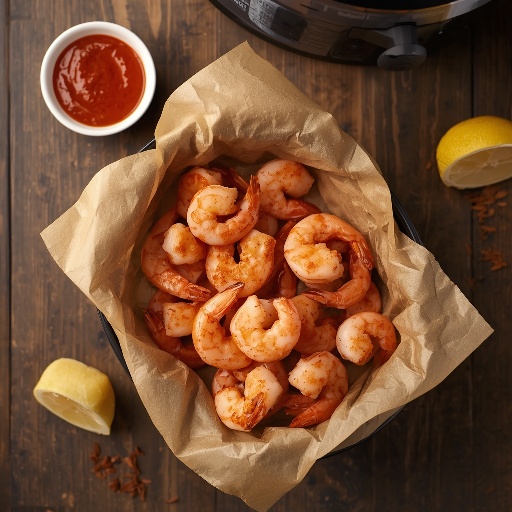
The Gulf Coast runs right along Mississippi’s shoreline, which means shrimp is practically a food group here. This guide covers the exact temperatures and times for frozen shrimp in an air fryer, no breading involved, plus the seasoning and dipping traditions that make it worth eating.
| 0 min | 390°F | 8–12 min | 165°F |
| Thawing required | Optimal temp | Total cook time | Safe internal temp |
Why Mississippi and Shrimp Go Together
Mississippi has 44 miles of Gulf Coast shoreline — not the longest stretch, but the Gulf of Mexico right there at Biloxi, Gulfport, and Pascagoula has shaped the state’s food culture in ways that go far beyond the coast itself. Gulf shrimp makes it inland to Jackson, Hattiesburg, and beyond through fresh and frozen supply chains that most of the rest of the country doesn’t have the same access to.
Shrimp boils, shrimp po’boys, shrimp and grits — these are not novelty dishes in Mississippi. They’re Tuesday night dinners. The familiarity people in the Gulf South have with shrimp means they’re also practical about it: frozen is fine, fast is fine, and anything that keeps the shrimp tender rather than rubbery is the right method.
Gulf shrimp and Mississippi’s food culture: The Gulf of Mexico supports one of the most productive shrimp fisheries in the United States. According to Wikipedia’s entry on Gulf of Mexico fisheries, the northern Gulf — spanning from Texas through Louisiana, Mississippi, Alabama, and Florida — produces the majority of domestically caught shrimp in the U.S., including the white shrimp and brown shrimp varieties most commonly sold fresh and frozen across the South. For Mississippi residents, this proximity to the source means Gulf shrimp is available year-round at prices and quality levels that make it a practical staple protein, not an occasional luxury.
The air fryer fits this cooking culture well. It’s fast, doesn’t heat up the kitchen the way a stove or oven does in Mississippi’s humid summers, and produces a texture — slightly firm on the outside, moist inside — that suits unbreaded shrimp better than most people expect before they try it.
How an Air Fryer Handles Frozen Shrimp Without Breading
Breading on shrimp in an air fryer creates a barrier that protects the shrimp from the intense circulating heat. Without breading, the shrimp are exposed directly to the hot air — which sounds like it would dry them out, but it doesn’t, provided the temperature and timing are correct.
The key is high heat and short time. At 390°F (200°C), frozen unbreaded shrimp cook through in 8–10 minutes depending on size. The outer layer firms up and develops a slight char at the edges while the interior stays juicy. If you drop the temperature lower and extend the time, you lose the textural contrast and end up with something closer to steamed shrimp, which is fine but not the point of an air fryer.
The food safety number that matters: The USDA sets the safe minimum internal temperature for shrimp at 145°F (63°C). According to the USDA Food Safety and Inspection Service, shrimp should reach this internal temperature before consumption. In practice, shrimp are visually done when they turn pink and opaque and curl into a loose C-shape — a tight O-shape means overcooked. At 390°F in a standard air fryer, medium and large frozen shrimp reliably reach safe temperature well before the visual overcooked cues appear, which makes this method genuinely forgiving.
The “from frozen” aspect is actually an advantage with the air fryer. Shrimp that’s been thawed has looser surface moisture, which creates steam in the basket and can make the exterior less firm. Shrimp going in from frozen releases its surface moisture gradually as it thaws and cooks simultaneously — the result is often a better final texture than thawed shrimp cooked the same way.
The Exact Time and Temperature Chart
Shrimp size is the main variable. The counts refer to how many shrimp per pound — smaller number, bigger shrimp.
| Shrimp size | Count per lb | Temp | Time (frozen) | Flip at |
|---|---|---|---|---|
| Small | 51–60 | 390°F / 200°C | 6–8 min | 4 min |
| Medium | 41–50 | 390°F / 200°C | 8–9 min Most common | 4–5 min |
| Large | 31–40 | 390°F / 200°C | 9–10 min Best results | 5 min |
| Extra large / Jumbo | 21–25 | 390°F / 200°C | 10–12 min | 6 min |
| Colossal | U/15 | 380°F / 195°C | 12–14 min Check often | 7 min |
If your air fryer runs hot or cool
Air fryer models vary by 15–25°F from their stated temperature. If your shrimp are consistently done before the minimum time on the chart, your fryer runs hot — reduce temperature by 10°F. If they consistently need the maximum time or more, it runs cool — add 1–2 minutes per batch. An inexpensive oven thermometer placed inside tells you the actual temperature on your specific unit.
Pre-cooked frozen shrimp — different rules
Many bags labelled “frozen shrimp” contain shrimp that is already cooked — it just needs reheating, not cooking. Check the bag. If it says “cooked” or “ready to eat,” reduce the time by half (4–5 minutes for large) and the temperature to 350°F. You’re reheating, not cooking from raw. Overheating pre-cooked shrimp at the raw-cooking temperature produces tough, rubbery results.
Step-by-Step Method
What you need
| Frozen raw shrimp, unbreaded | 1 tbsp neutral oil or olive oil | Seasoning of choice | Air fryer |
| Peeled and deveined makes it easier. Shell-on works — the shell protects the meat from direct heat and adds flavour, but requires peeling at the table. Your choice. | Light coating only. Oil on unbreaded shrimp helps seasoning adhere and promotes surface browning. Too much and you get grease pooling in the basket. | See the seasoning section below. Applied after the oil coating, before cooking. Dry seasonings only — wet marinades don’t behave well from frozen. | Basket-style or drawer-style both work. Oven-style air fryers may need 1–2 extra minutes — the airflow is less concentrated around the food. |
Method
- Preheat the air fryer to 390°F for 3 minutes. Preheating matters — putting shrimp into a cold basket means the first few minutes are spent heating the appliance rather than cooking the shrimp, which throws off the timing and often produces uneven results.
- Take the frozen shrimp straight from the bag. Don’t thaw. If the shrimp are stuck together in a clump, run the bag under cold water for 30 seconds and separate them — but don’t thaw them. You want them frozen, not thawed, going into the basket.
- Place the shrimp in a bowl. Drizzle with oil and toss to coat lightly. Add your dry seasoning and toss again. The shrimp are cold, so the seasoning sticks easily at this stage.
- Arrange in the air fryer basket in a single layer. This is the rule that most people violate and then wonder why their shrimp are uneven. Every shrimp needs airflow around it. Two layers means the bottom layer steams instead of cooks. For a large batch, cook in two rounds — it actually takes less total time than trying to cook a crowded basket.
- Cook for half the total time (see the time chart), then open the basket and flip each shrimp. They should have turned from grey-white to pink on the cooked side. If they’re still fully grey, they need another 2 minutes before flipping — close the basket and continue.
- Continue cooking for the remaining time. The shrimp are done when they are uniformly pink and opaque, the tails have curled, and the shape is a loose C. Press gently with a finger — there should be a slight firmness but not a rubbery bounce. Rubbery means overcooked.
- Remove immediately. Shrimp continue cooking from residual heat even after they leave the air fryer — a 30-second delay before plating makes a difference at the margins. Serve immediately or use within 2 hours at room temperature.
Seasoning — What Works Without Breading
Without breading as a carrier, seasoning goes directly onto the shrimp surface. Dry seasonings work best — they adhere to the light oil coating and form a flavour crust during the cook. Wet marinades or sauces applied before cooking will drip into the basket, smoke, and often burn before the shrimp are done.
Classic Gulf Coast seasoning
½ tsp smoked paprika, ¼ tsp garlic powder, ¼ tsp onion powder, ¼ tsp cayenne (or more), ¼ tsp dried thyme, salt, black pepper. This is essentially a simplified version of the Cajun/Creole spice tradition that defines Gulf South cooking. It’s the right seasoning for Mississippi air fryer shrimp and the one that pairs with the most serving options.
Old Bay — the shortcut
Old Bay is a Maryland spice blend that became standard for shrimp along the entire Gulf Coast. Use 1–1.5 teaspoons per pound of shrimp. It contains celery salt, paprika, and a mix of spices that work well at high air fryer temperatures. The flavour is instantly recognisable and requires no mixing of individual spices.
Lemon pepper
1 teaspoon of lemon pepper seasoning per pound of shrimp. Lighter flavour profile than the Gulf Coast blend — good if you want the shrimp to carry a lighter sauce or are serving over something with its own strong seasoning. The lemon note comes through clearly on unbreaded shrimp.
Garlic butter finish (applied after, not before)
Season lightly with just salt before cooking. When the shrimp come out, immediately toss in a bowl with 1 tablespoon of melted butter, 1 minced garlic clove, and a squeeze of lemon. The hot shrimp melt the butter and absorb the garlic in the 30 seconds between basket and table. This is the method that produces the richest result for unbreaded shrimp and requires no dry seasoning during cooking.
Mississippi-Style Dipping Sauces
| Remoulade sauce | Comeback sauce | Classic cocktail sauce |
| Mississippi classic | Mississippi original | Traditional |
| Mayo, Creole mustard, hot sauce, lemon, garlic, paprika, capers. The definitive Gulf South dipping sauce for shrimp. Make it from scratch in two minutes — it’s better than any jarred version by a significant margin. | Mayo, ketchup, Worcestershire, garlic powder, hot sauce, black pepper, lemon juice. Comeback sauce is a Mississippi original — it was created in Jackson and remains one of the state’s most distinctive condiments. Slightly sweet, slightly tangy, slightly spicy. | Ketchup and prepared horseradish, with lemon juice and hot sauce. Simple, reliable, and the right choice when someone wants the pure shrimp-and-cocktail-sauce experience. Use more horseradish than the recipe suggests. |
| Garlic butter dipping | Sriracha mayo | Greek yogurt with herbs |
| Universal | Bold | Lighter option |
| Melted butter, fresh garlic, lemon, salt, fresh parsley. Warm in a small saucepan for 3 minutes. Simple and excellent — particularly good with larger jumbo shrimp cooked with minimal seasoning. | Mayo and sriracha, 3:1 ratio, with a squeeze of lime. Fast and effective. The creaminess of mayo cuts the heat in a way that straight hot sauce doesn’t. Works with the Gulf Coast seasoning blend. | Plain Greek yogurt, dill, garlic, lemon juice, salt. Lower fat alternative to mayo-based sauces. Cools the palate between bites — good alongside heavily spiced shrimp. |
On comeback sauce’s Mississippi origin: Comeback sauce is genuinely from Mississippi — specifically attributed to the Greek restaurant community in Jackson that developed it in the mid-20th century. According to Wikipedia’s entry on Comeback sauce, the condiment has become so associated with the state that it’s considered a regional identity food. Making it at home — mayo, ketchup, Worcestershire, garlic powder, hot sauce, black pepper — takes about 90 seconds and produces a sauce that’s distinctly Mississippi in character.
What to Do With the Cooked Shrimp
Shrimp and grits — the Mississippi version
Air-fried unbreaded shrimp over creamy stone-ground grits with a pan sauce (butter, garlic, hot sauce, a splash of chicken stock) is one of the most complete meals this method produces. The shrimp’s slightly crisp exterior holds up better in a sauce context than boiled or steamed shrimp. Cook the grits while the shrimp air fries. Everything lands on the plate at the same time.
Shrimp tacos
Warm corn tortillas, Gulf Coast-seasoned air fryer shrimp, shredded cabbage, pickled jalapeño, crema or sriracha mayo, fresh lime. Fast, complete, and the air fryer shrimp’s texture holds better in a taco than boiled shrimp — it doesn’t make the tortilla soggy.
Shrimp over rice
Season the shrimp with garlic powder and Old Bay. Air fry. Serve over white rice with the garlic butter finish (butter, garlic, lemon, parsley) poured over both. A ten-minute weeknight dinner that covers protein, starch, and enough flavour that it doesn’t feel like a compromise.
Cold shrimp for cocktail or salad
Air-fried unbreaded shrimp chilled in the refrigerator for 30 minutes makes excellent shrimp cocktail — the texture is firmer and more interesting than boiled shrimp. Also good in salads: the slight crust from the air fryer holds up better against dressing than softer cooked shrimp.
Common Mistakes and How to Avoid Them
Overcrowding the basket
The single most common mistake, and the one that explains most complaints about uneven or rubbery air fryer shrimp. Every piece needs airflow around it. If they’re touching, the contact surfaces steam instead of cook. For most air fryers, 12–16 medium or large shrimp is a full single-layer batch. Two batches of 12 take less total time than one batch of 24 with uneven results.
Skipping the preheat
An unpreheated air fryer means the first few minutes of “cooking” are actually spent reaching temperature, during which the shrimp warm unevenly. Three minutes of preheat takes less total time than the extended cooking needed to compensate for a cold start. Most modern air fryers preheat in 2–3 minutes.
Using wet marinade from frozen
Liquid marinade on frozen shrimp runs off immediately into the basket, often smokes at 390°F, and doesn’t actually penetrate the shrimp during a short cook. Season with dry spices before cooking. Apply any sauce or butter glaze after cooking, while the shrimp are still hot. The hot surface absorbs the sauce far more effectively than frozen shrimp ever would.
Cooking pre-cooked shrimp on raw settings
A huge percentage of frozen shrimp sold in grocery stores is already cooked — it just needs reheating. Pink, opaque shrimp in the bag is cooked. Grey, translucent shrimp is raw. The cooking times and temperatures in this article are for raw shrimp. Pre-cooked shrimp at 390°F for 10 minutes produces uniformly tough, rubbery results. Check the bag, every time, before you set the temperature.
The tight O-shape
Shrimp curled into a tight, closed circle is overcooked. Shrimp curled into a loose C-shape is correctly cooked. The difference in cooking time between these two states is often 60–90 seconds at 390°F. Check early, especially the first time you cook a new size or brand. The shrimp carries residual heat after leaving the basket — if it looks done, it is done, even if it’s technically a minute early by the chart.
See Also – Dutch oven chicken thighs, stovetop — California style
See Also – Cast iron skillet cornbread — no buttermilk needed