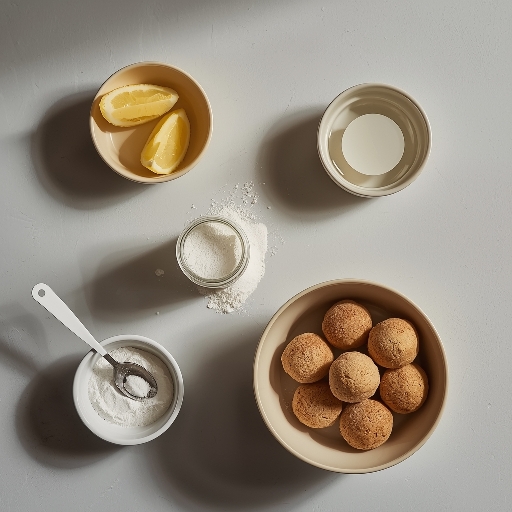
Cream of tartar is one of those pantry ingredients that lives quietly in the back of the spice cabinet for months and then suddenly becomes critical when you’re halfway through a cookie recipe. If you’ve just discovered your jar is empty, or you never had it to begin with, this guide will tell you exactly what to use instead — and more importantly, why it matters in the first place.
Not every substitute works the same way. Some are better for snickerdoodles than others. Some work when cream of tartar is paired with baking soda, and some don’t. The details here will save you from guessing.
What Cream of Tartar Is and Why Cookies Need It
Cream of tartar is potassium bitartrate — a fine white powder that’s a natural byproduct of winemaking. It’s an acid. That’s the most important thing to know about it. In cookie recipes, it’s typically doing one of two jobs, sometimes both at once.
Job one: activating baking soda. Baking soda is a base. It needs an acid to activate and produce the carbon dioxide bubbles that help baked goods rise and lighten. When cream of tartar appears alongside baking soda in a recipe, the two are essentially forming baking powder together. The ratio is usually two parts cream of tartar to one part baking soda.
Job two: contributing flavor and texture. Snickerdoodles are the clearest example. That signature tangy, slightly sharp edge in a snickerdoodle doesn’t come from the cinnamon sugar coating — it comes from cream of tartar in the dough itself. It also affects texture, helping cookies stay soft and chewy rather than crisping up as they cool.
In some recipes, cream of tartar also prevents sugar syrup from crystallizing, but that’s more relevant in candy-making than in everyday cookies.
The Two Scenarios You Need to Substitute For
Before picking a substitute, figure out which situation you’re in. It changes the answer.
Scenario A: Cream of tartar appears alongside baking soda in the recipe. Here, cream of tartar is acting as the acid component of a leavening pair. Any acidic substitute will work. The goal is to keep that acid-base reaction alive so the cookies rise and have the right texture.
Scenario B: Cream of tartar appears alone, without baking soda — or it’s in a snickerdoodle. Here, it’s doing flavor and texture work independent of leavening. You still need an acid, but the flavor contribution matters more. This is the trickier scenario, and the substitute you choose may produce a slightly different result.
Most people are in Scenario A. Snickerdoodles fall into Scenario B.
The Best Substitutes for Cream of Tartar in Cookies
1. Baking Powder (For Leavening Scenarios)
Best for: Any recipe where cream of tartar and baking soda appear together
This is the most common and straightforward substitution. Baking powder is already a combination of an acid (usually cream of tartar or similar) and a base (baking soda), plus a little starch. When your recipe uses cream of tartar and baking soda together as a leavening pair, you can replace both with baking powder.
The ratio: for every ¼ teaspoon of cream of tartar plus ⅛ teaspoon of baking soda in the recipe, substitute ½ teaspoon of baking powder. If the recipe calls for 1 teaspoon cream of tartar and ½ teaspoon baking soda, use 1½ teaspoons of baking powder and omit both original ingredients.
The result is almost identical in terms of rise and texture. The one thing you lose is any flavor contribution from cream of tartar — but in recipes where it’s functioning purely as a leavener, there’s nothing to miss.
One thing to watch: if the recipe has a lot of baking soda relative to the cream of tartar, baking powder won’t be a clean 1:1 conversion because baking powder contains less baking soda per volume. The ratio above handles this, but double-check your math if the amounts are unusual.
2. Lemon Juice
Best for: Soft cookies, recipes where acidity matters, snickerdoodle adjacent
Lemon juice is acidic enough to activate baking soda and contribute a subtle flavor note. Use three times the volume of lemon juice to replace cream of tartar — so if the recipe calls for ½ teaspoon of cream of tartar, use 1½ teaspoons of fresh lemon juice.
That’s a small enough amount that the lemon flavor doesn’t announce itself in most cookies. In a buttery, vanilla-forward sugar cookie or snickerdoodle, you might detect a faint brightness in the flavor, which most people find pleasant rather than distracting.
Because lemon juice is liquid and cream of tartar is powder, it does add a small amount of moisture to the dough. In most cookie recipes this is inconsequential — we’re talking less than a teaspoon. But if your dough is already on the wetter side, consider chilling it for fifteen minutes before baking.
3. White Vinegar
Best for: Neutral acid substitution, when you don’t want any added flavor
White vinegar does the same job as lemon juice with even less flavor impact. It’s sharp and acidic, but when baked into a cookie at small quantities, the taste essentially disappears. Use the same ratio — three parts vinegar to replace one part cream of tartar. For ½ teaspoon cream of tartar, use 1½ teaspoons white vinegar.
Apple cider vinegar works too, and some bakers prefer it for the very slight fruity note it adds. The acidity levels are similar between the two; it’s mostly a flavor preference call.
This is a good default choice when you want a clean, neutral substitution without any lemon character. Reliable and almost universally available.
4. Buttermilk (As Partial Liquid Replacement)
Best for: Recipes with liquid components, soft and tender cookies
Buttermilk is mildly acidic — not as sharp as vinegar or lemon juice, but acidic enough to react with baking soda and contribute to soft, tender texture. It also adds a gentle tang that’s actually quite similar to what cream of tartar contributes in snickerdoodles.
The substitution is slightly more involved: replace ¼ teaspoon of cream of tartar with ½ cup of buttermilk — and reduce another liquid in the recipe by the same amount. This only works well in recipes that already include some liquid (milk, eggs, melted butter). Dry-dough cookies like shortbread don’t have a liquid to offset.
Where it shines is in drop cookies with a soft, cakey crumb — oatmeal cookies, chocolate chip cookies with a chewier texture, molasses cookies. The buttermilk adds moisture and a subtle tanginess that reads as complexity rather than sourness.
5. Plain Yogurt (As Partial Ingredient)
Best for: Chewy, tender cookies; dairy-based recipes
Like buttermilk, plain yogurt is fermented and mildly acidic. It activates baking soda, tenderizes gluten, and adds a faint tang. Use about two tablespoons of plain yogurt per ¼ teaspoon of cream of tartar, and reduce any other liquid slightly.
Full-fat plain yogurt works best — the fat contributes to richness and texture in a way low-fat versions don’t quite match. Greek yogurt is tangier and thicker; if using it, thin it slightly with a teaspoon of milk first.
This is a less common substitution, but it works particularly well in recipes where you want the cookie to stay soft for days after baking. The acidity and moisture from yogurt help retain softness in a way that pure dry acid substitutes don’t.
6. Cream of Tartar Substitute Mix (DIY Baking Powder)
Best for: When you want precise control over leavening
Sometimes the cleanest solution is making a small batch of baking powder yourself. Combine two parts cream of tartar with one part baking soda — but since you don’t have cream of tartar, substitute an equal measure of citric acid powder for the cream of tartar.
Citric acid powder is increasingly available in grocery stores (often in the canning section or spice aisle) and online. It’s a dry, shelf-stable acid that behaves similarly to cream of tartar in baking. Mix two teaspoons of citric acid powder with one teaspoon of baking soda, and you have a DIY baking powder that’s quite effective.
This isn’t the most practical solution if you’re mid-recipe and don’t have citric acid on hand — but for anyone who bakes frequently, keeping citric acid in the pantry as a backup acid is genuinely useful.
The Snickerdoodle Problem
Snickerdoodles deserve their own section because they’re the recipe that makes cream of tartar substitution most complicated.
A snickerdoodle without cream of tartar isn’t really a snickerdoodle — it’s a cinnamon sugar cookie. The cream of tartar provides the distinctive chewy texture and that faintly tangy, almost metallic edge that distinguishes snickerdoodles from every other soft cookie. It’s not subtle.
So what do you use?
Best option: Lemon juice or white vinegar in the ratio above. These are close enough in acidity to partially replicate cream of tartar’s flavor contribution. The result will be slightly different — a touch less tangy, a bit less complex — but recognizably snickerdoodle-like.
Second option: A small amount of citric acid (about ¼ teaspoon per teaspoon of cream of tartar called for). Citric acid is close to cream of tartar’s tartness profile and produces the most similar finished result. If you can find it, it’s the best snickerdoodle substitute.
What doesn’t work well: Baking powder alone. It replaces the leavening but contributes nothing to the flavor. Snickerdoodles made with only baking powder taste like plain sugar cookies in disguise.
The honest answer is: if snickerdoodles matter to you, keep cream of tartar in the pantry. It’s cheap, it lasts nearly forever, and nothing fully replaces it in that specific recipe.
What Happens If You Just Leave It Out?
It depends on the recipe.
If cream of tartar is paired with baking soda for leavening: Leaving both out will produce flat, dense cookies with no rise. Leaving just the cream of tartar means the baking soda has no acid to react with — you might get a slight soapy or metallic aftertaste and less lift.
If cream of tartar is in a snickerdoodle recipe: The cookies will still bake, but the texture and flavor profile change. They’ll spread more, crisp up faster at the edges, and lose that tangy chewiness. Still edible, just not the same cookie.
If cream of tartar appears in a very small amount (⅛ teaspoon or less): Leaving it out entirely is often fine. At that quantity it’s likely there for a minor stabilizing effect rather than anything structural. The cookies will be fine.
A Practical Substitution Table
| Cream of Tartar Amount | Best Substitute | Amount to Use | Notes |
|---|---|---|---|
| ¼ tsp (with baking soda) | Baking powder | ½ tsp (omit baking soda) | Easiest swap |
| ½ tsp (with baking soda) | Baking powder | 1 tsp (omit baking soda) | Standard conversion |
| ¼ tsp (alone) | Lemon juice | ¾ tsp | Slight flavor change |
| ¼ tsp (alone) | White vinegar | ¾ tsp | Most neutral |
| ½ tsp (snickerdoodle) | Lemon juice or vinegar | 1½ tsp | Good but not identical |
| ½ tsp (snickerdoodle) | Citric acid powder | ¼ tsp | Closest match |
| ⅛ tsp or less | Omit entirely | — | Usually inconsequential |
Tips for Using These Substitutes Successfully
Measure carefully. Leavening ratios matter more in baking than in cooking. A little too much baking soda without enough acid to neutralize it will leave cookies with a soapy, off-putting taste. Stick to the ratios.
Account for added liquid. Lemon juice, vinegar, buttermilk, and yogurt all add moisture. In most cookie recipes this is a non-issue at the small quantities involved, but if the dough feels stickier than expected, chill it for twenty minutes before portioning.
Don’t skip the acid entirely if baking soda is present. Baking soda needs something acidic in the recipe to activate. If cream of tartar is the only acid and you leave it out without adding another, your cookies won’t rise properly and may taste bitter.
Taste your batter if in doubt. Cookie dough (if it’s safe to taste raw in your recipe) can tell you a lot. A well-balanced dough with the right acid-base ratio will taste slightly tangy and rounded. If it tastes aggressively of baking soda, you need more acid.
Storing Cream of Tartar So You Don’t Run Out Again
One practical note: cream of tartar has a nearly indefinite shelf life when stored properly. Keep it in a sealed container, away from heat and moisture, and it will last years without losing effectiveness.
The reason people run out isn’t because it expires — it’s because the jar gets buried or forgotten. Keeping it somewhere visible in the spice rack, alongside baking soda and baking powder, makes it easier to remember and restock.
A small jar costs almost nothing and a single purchase can last through hundreds of batches of cookies. If snickerdoodles are a regular occurrence in your kitchen, it’s genuinely worth keeping on hand.
Final Thoughts
For most cookies, cream of tartar is easy to substitute — baking powder handles the leavening version of the job cleanly, and lemon juice or vinegar covers the acid-only version. The results are close enough that most people won’t notice.
Snickerdoodles are the exception. They depend on cream of tartar for flavor in a way that other cookies don’t, and no substitute fully replicates it. The closest you’ll get without it is a lemon juice or vinegar swap, which gets you most of the way there.
Start with baking powder if cream of tartar and baking soda appear together in your recipe. Use lemon juice or white vinegar if cream of tartar is standing alone. And if you make snickerdoodles more than once a year, buy a jar of cream of tartar and keep it somewhere you’ll actually see it.
Image Prompt for This Article
Prompt: “An overhead flat lay on a light grey stone kitchen surface showing a small jar of cream of tartar tipped slightly with white powder spilling out, surrounded by substitute ingredients in small ceramic bowls and ramekins: lemon wedges, white vinegar in a small bottle, a spoonful of baking powder, and a bowl of snickerdoodle cookie dough balls rolled in cinnamon sugar ready to bake. Warm natural side lighting, clean editorial food photography style, soft shadows, no text or labels.”
See Also – Substitute for Worcestershire Sauce in Burgers: What Works, What Doesn’t, and Why
See Also – What to Use Instead of Eggs in Meatloaf (And How to Get It Right)