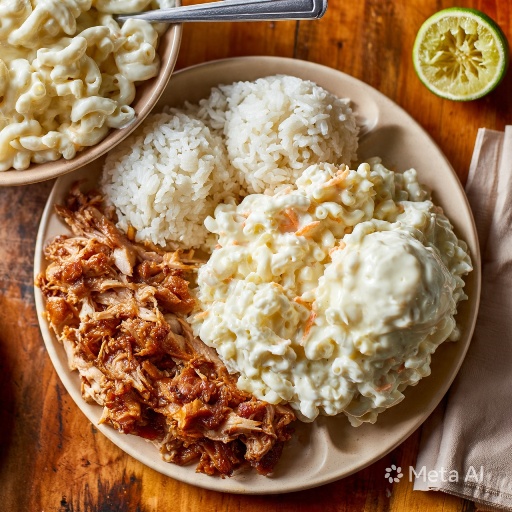
If you’ve eaten a plate lunch in Hawaii, you know exactly what this salad is supposed to taste like. Creamy. Cold. Slightly sweet. Thick enough to hold its shape on the plate next to a scoop of rice and whatever protein is the star of the meal.
If you’ve tried to recreate it at home on the mainland and ended up with something that tasted like a standard deli macaroni salad — fine, but not quite right — this article will tell you what you were missing and how to fix it.
Hawaiian plate lunch macaroni salad is a specific thing. Not every creamy macaroni salad qualifies. This guide covers the recipe, the technique, the ingredients that matter most, and the mistakes that produce something that looks right but doesn’t taste like it should.
What Makes Hawaiian Macaroni Salad Different
This is worth understanding before getting into the recipe itself, because the differences are specific and they matter.
The pasta is cooked softer than you’d expect. This is probably the most counterintuitive part for anyone trained to cook pasta al dente. Hawaiian macaroni salad uses elbow macaroni cooked past al dente — tender, almost soft, definitely not firm. The softer texture absorbs the dressing better and produces the distinctive mouthfeel that defines the dish.
The dressing is almost entirely mayonnaise. Not a vinaigrette, not a yogurt base, not a lightened version. Full-fat mayonnaise, and a generous amount of it. The mayonnaise is added in two stages — once while the pasta is still warm, and again after chilling — and that two-stage application is part of what produces the correct texture.
It’s mildly sweet, not tangy. Most mainland macaroni salads have a vinegar-forward brightness. Hawaiian plate lunch mac salad is milder, slightly sweet, and the creaminess dominates rather than the acid.
The add-ins are minimal. Shredded carrot, a small amount of onion. That’s typically it in the most traditional version. No celery, no hard-boiled egg, no pickle relish, no elaborate additions. The simplicity is intentional.
It needs to chill. Not for food safety reasons alone — the overnight or several-hour chill is what allows the dressing to fully absorb into the pasta and develop its characteristic thick, unified texture.
The Full Recipe
Ingredients (Serves 6–8 as a side)
- 1 lb (450g) elbow macaroni
- 2 tablespoons apple cider vinegar (or white vinegar)
- 2 cups full-fat mayonnaise, divided — 1½ cups for the first application, ½ cup for the second
- ¼ cup whole milk (or more to adjust consistency)
- 1 teaspoon granulated sugar
- ½ teaspoon salt, plus more to taste
- ½ teaspoon white pepper (black pepper works but white is more traditional)
- ½ cup grated carrot (about one medium carrot)
- 2 tablespoons finely minced yellow or white onion
- Optional: 2 tablespoons finely sliced scallion
The non-negotiable ingredient: Use Best Foods mayonnaise (known as Hellmann’s east of the Rockies). This is the brand used in Hawaii — it has a specific flavor profile that differs from Miracle Whip (too sweet, too tangy) or generic store brands. It matters in a recipe this simple.
Instructions
Step 1: Cook the pasta correctly
Bring a large pot of salted water to a boil. Add the elbow macaroni and cook for two to three minutes longer than the package instructions indicate. Taste it — the pasta should be tender and slightly soft, not mushy, but definitely past al dente. This is not a mistake; it’s the method.
Drain in a colander and rinse briefly with cold water to stop cooking. Don’t rinse so thoroughly that the pasta cools completely — you want it warm, not hot. Shake off excess water.
Step 2: First dressing application (warm pasta)
Transfer the drained, still-warm pasta to a large bowl. Immediately add the apple cider vinegar and toss to coat. This is the only moment you add acid, and it absorbs directly into the warm pasta.
Add 1½ cups of the mayonnaise, the milk, sugar, salt, and white pepper. Stir thoroughly until every piece of macaroni is coated. The mixture will look loose and almost too wet at this point. That’s correct. The pasta will absorb significant dressing as it chills.
Add the grated carrot, minced onion, and scallion if using. Stir to distribute.
Step 3: Chill
Cover the bowl tightly with plastic wrap and refrigerate for a minimum of four hours. Overnight is better. The pasta continues absorbing the dressing during this time, and the flavors meld into something unified rather than distinct.
Step 4: Second dressing application (just before serving)
Remove from the refrigerator. The salad will have thickened considerably and may look slightly dry on top. Add the remaining ½ cup of mayonnaise and stir thoroughly. If the consistency is still thicker than you’d like, add an additional tablespoon or two of whole milk and stir again.
Taste and adjust: more salt, a touch more sugar, a pinch more white pepper if needed. The flavor should be mild, creamy, and slightly sweet — not sharp or tangy.
Serve cold, directly from the refrigerator.
Why the Two-Stage Mayonnaise Method Works
This is the technique that separates Hawaiian plate lunch macaroni salad from a standard version.
When warm pasta absorbs the first application of mayonnaise, the fat and flavor of the dressing penetrate into the pasta itself — not just coating the surface. The result is a salad where the creaminess comes from inside the pasta as much as from the surrounding dressing.
The second application, added just before serving, restores the surface creaminess that was absorbed during chilling. It produces the glossy, thick, fully coated appearance that’s characteristic of the dish.
Skipping the warm first application and just dressing cold pasta produces something that looks similar but never quite has the same richness. The pasta stays separate rather than becoming unified with the dressing.
The Mayonnaise Question
Full-fat Best Foods or Hellmann’s, without substitution, for the closest result to what you’d find at a plate lunch restaurant in Oahu or Maui.
A few notes on alternatives:
Miracle Whip: Too sweet and too tangy. The flavor profile is noticeably different and pulls the salad away from what it should taste like.
Japanese Kewpie mayonnaise: An interesting variation — Kewpie is richer and more umami-forward due to its egg yolk-only formula and the addition of MSG. Some people prefer it. It produces a slightly different but still very good result. If you’re in Hawaii, you’ll find Kewpie in every grocery store.
Light or low-fat mayo: The fat content is part of the texture. Low-fat versions produce a thinner, less rich dressing that doesn’t coat and absorb the same way. For this specific recipe, full fat is the correct choice.
Homemade mayonnaise: Can work well if well-seasoned, but the flavor will differ from the familiar profile most people expect.
The Pasta: Why Overcooked Is Correct Here
Cooking pasta to al dente is a well-established principle in Italian cooking — firm to the bite, with a slightly chalky center gone but the pasta still having structure and resistance. It’s the right approach for most pasta dishes.
Hawaiian macaroni salad is not those dishes.
Soft-cooked pasta has more surface area exposed, more starch on the exterior, and absorbs more dressing during the chilling period. The result is a salad where the pasta and dressing become one unified thing rather than firm pasta sitting in a pool of dressing.
Cook elbows for about twelve to fourteen minutes total — check the package time and add two to three minutes. Taste it: if it’s soft but not falling apart, you’re in the right range. If it still has any chew or resistance, give it another minute.
The first time you do this, it will feel wrong. By the time the salad has chilled overnight, it will feel exactly right.
Variations Worth Knowing
The Classic Plate Lunch Version
The recipe above is the classic. Grated carrot, minimal onion, nothing else. This is what you’d receive at a plate lunch counter or an old-school Hawaiian diner — simple, creamy, cold, exactly what it should be.
Tuna Mac Salad
Add a drained can of solid white albacore tuna per pound of macaroni. Mix it in during the first dressing application so it disperses evenly. This is a common variation at local Hawaiian spots — the tuna adds protein and a subtle savory note that works well with the sweet, creamy base.
Ginger-Soy Variation
Add a teaspoon of fresh grated ginger and a tablespoon of soy sauce to the dressing. This variation reflects the Japanese influence in Hawaiian plate lunch culture. The ginger adds a mild warmth; the soy deepens the savory background without making it taste like something else entirely. Use Kewpie mayonnaise in this version.
Spicier Version
Add a tablespoon of sriracha or a teaspoon of sambal oelek to the dressing. The heat is subtle in the finished product — the creaminess moderates it — but it adds a pleasant warm note that many people end up preferring to the classic once they’ve tried it.
What to Serve It With
Hawaiian plate lunch macaroni salad exists as part of a specific composition. The classic plate is:
- Two scoops of white rice
- One protein
- One scoop of macaroni salad
The protein is typically kalua pork (slow-roasted, pulled), chicken katsu (breaded and fried), loco moco (hamburger patty over rice with a fried egg and brown gravy), garlic shrimp, or teriyaki chicken. The macaroni salad is always cold, always creamy, and sits beside the warm components. The contrast between cold salad and warm rice and protein is part of the appeal.
At home, this salad works alongside grilled chicken, grilled fish, kalua pork cooked in a slow cooker with liquid smoke and salt, or as a side at any cookout where simple, crowd-pleasing sides are needed.
It doesn’t need to be part of a formal plate lunch to be appropriate. It’s excellent alongside anything cooked on a grill.
Storage and Make-Ahead Notes
Hawaiian macaroni salad is genuinely better made ahead. The overnight chill improves it in every measurable way — the dressing absorbs, the flavors unify, the texture becomes what it should be.
Storage: Keep covered in the refrigerator for up to four days. Stir before serving each time; the dressing settles slightly and a quick stir restores the consistency.
Make-ahead timing: For best results, make the salad the evening before you need it and apply the second half-cup of mayonnaise fifteen minutes before serving.
Do not freeze. Mayonnaise-based dressings separate when frozen, and the pasta texture changes unfavorably. This is a fresh-refrigerated salad, not a freezer item.
Serving temperature: Always cold. Not room temperature. Plate lunch macaroni salad sitting at room temperature for more than an hour loses both its food safety margin and its defining characteristic — that cold, thick, creamy quality that makes it what it is.
The Cultural Context: Why This Salad Exists
Hawaiian plate lunch macaroni salad didn’t come from a single culinary tradition. It emerged from the plantation labor system of nineteenth and early twentieth century Hawaii, where workers from Japan, the Philippines, Korea, China, Portugal, and the continental United States cooked and ate together.
The combination of rice, protein, and macaroni salad reflects that mixing — rice from Asian food traditions, the macaroni salad from American picnic cooking, the whole thing shaped by what was available and affordable for plantation workers eating lunch from a bento box or a plate.
The macaroni salad’s mild, creamy, slightly sweet character fits alongside rice and strongly flavored proteins in a way that a sharper, vinegar-forward salad wouldn’t. It’s the neutral, cooling element of the plate — textural and creamy without competing with the protein.
Understanding this makes the recipe clearer. The simplicity isn’t laziness; it’s deliberate. The salad exists to complement and balance, not to be the main flavor experience.
Common Mistakes (And How to Fix Them)
Cooking the pasta al dente. The result will be firm pasta that doesn’t absorb the dressing properly and separates from it after chilling. Cook it soft. Two minutes past the package time as a baseline.
Only one dressing application. The salad will look fine but taste thin and the dressing will sit on the surface rather than being absorbed into the pasta. Always use the two-stage method.
Not chilling long enough. A one-hour chill is not enough. Four hours minimum; overnight is better. Serve the same day you make it and the texture won’t develop correctly.
Using Miracle Whip. The flavor profile is wrong. Tangy and sweet in the wrong proportions. Use full-fat standard mayonnaise.
Too many additions. The plate lunch version is minimal. Adding celery, pickles, hard-boiled egg, and bell pepper produces a different salad — perfectly fine, but not what this recipe is. Keep it simple the first time.
Seasoning at the wrong moment. Season the dressing before the chill, then taste and adjust again after. Cold suppresses saltiness — what tasted well-seasoned before refrigeration may need a touch more salt when served cold.
A Quick Reference
| Element | Traditional Choice | Why It Matters |
|---|---|---|
| Pasta shape | Elbow macaroni | Traditional, holds dressing well |
| Cook time | 2–3 min past package time | Soft texture for better absorption |
| Mayonnaise brand | Best Foods / Hellmann’s | Correct flavor profile |
| Dressing applications | Two (warm + cold) | Absorption + surface creaminess |
| Chill time | Minimum 4 hours, overnight best | Texture and flavor development |
| Add-ins | Grated carrot, minced onion | Keep it minimal |
| Serving temp | Cold, straight from fridge | Non-negotiable |
Final Thoughts
Hawaiian plate lunch macaroni salad is deceptively simple. Three or four ingredients in the dressing, two vegetables, one type of pasta. The technique matters more than the ingredient list — the two-stage dressing, the soft pasta, the overnight chill. Get those three things right and the result tastes like the real thing.
There’s nothing wrong with a sharp, vinegar-forward macaroni salad. But it’s a different dish. This one is mild, cold, creamy, and slightly sweet in a way that makes it the perfect complement to bold, smoky, savory proteins. That’s the job it was designed to do, and it does it well.
Make it the night before. Trust the process. Don’t undercook the pasta.
See Also – Texas Ranch Water Cocktail Recipe: The Original and Why It Works
See Also – Midwest Hotdish Recipe: Tater Tot Hamburger (The Real Deal)