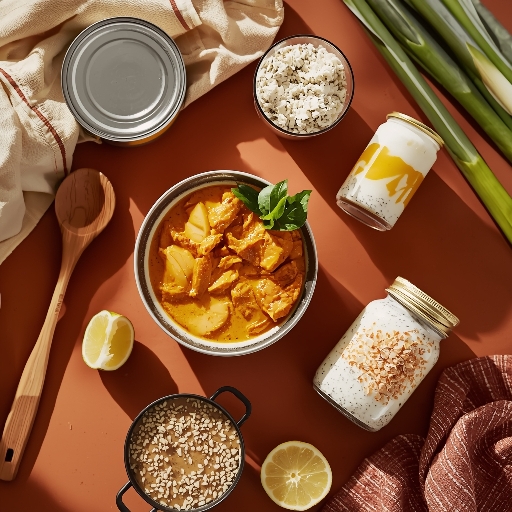
That can sitting in the back of your pantry has more potential than you probably realize.
The Coconut Milk Can: Underused, Overdue
Most people buy a can of coconut milk for one specific recipe, use half of it, and then forget about the rest until it’s expired. Or they buy a full can, make their curry, and never think about what else it could do.
That’s a shame, because coconut milk is genuinely one of the more versatile pantry ingredients you can keep around. It works in savory dishes, sweet ones, drinks, and even breakfast foods. According to food historians and culinary researchers, coconut milk has been a foundational cooking ingredient across South and Southeast Asia, the Caribbean, and parts of Africa for thousands of years — long before it showed up on Western grocery shelves.
One can goes further than you’d think. Here’s what you can actually do with it.
First, Know What You’re Working With
Before getting into recipes, it’s worth knowing what’s inside the can.
Full-fat coconut milk is thick, creamy, and rich. When it sits, the fat rises to the top and solidifies — that’s coconut cream, and it’s even richer. Light coconut milk has had water added or some fat removed, which makes it less rich but still useful in dishes where you don’t want the coconut flavor to be too dominant.
For most cooking purposes — curries, soups, sauces — full-fat is the better choice. For smoothies or lighter dishes, either works. And that solid cream layer at the top of an unshaken can? That’s useful on its own for whipped toppings, which more on below.
Curries and Stews: The Obvious Starting Point
Thai Green or Red Curry
This is where most people’s experience with coconut milk begins, and there’s a reason for that. Thai curries built on a coconut milk base are genuinely easy to make at home, and a single can is exactly the right amount for a four-person batch.
The basic method: fry your curry paste in a bit of oil, pour in the coconut milk, add protein and vegetables, simmer until cooked through. The coconut milk tames the heat of the paste and pulls everything together into something rich and cohesive. Green, red, or yellow curry paste all work. Whatever you have is fine.
Indian-Style Coconut Curries
Coconut milk is used across South Indian cooking — in dishes like Kerala fish curry, chicken korma, and various dal preparations. It adds a creaminess that’s different from yogurt or cream, slightly sweeter and with a distinct flavor that works well with the spice profiles of Indian cooking.
A simple weeknight version: sauté onion, garlic, and ginger, add tomatoes and your spices (cumin, coriander, turmeric, chili), then pour in a can of coconut milk and whatever protein you want. Let it simmer for 20 minutes. Serve over rice. It’s hard to go wrong with this basic formula.
Caribbean-Style Stews
Coconut milk shows up in Caribbean cooking too — in dishes like Jamaican rundown (a fish stew), rice and peas (which uses coconut milk as the cooking liquid for the rice), and various chicken stews. The flavor combinations are different from Asian curries — more allspice, scotch bonnet, thyme — but coconut milk plays the same role: richness, body, and a mild sweetness that balances heat.
Soups That Actually Benefit from a Can
Coconut Lentil Soup
Lentils and coconut milk are a natural pair. Red lentils especially — they cook quickly, dissolve into a thick purée, and take on the flavor of whatever they’re cooked in. Add a can of coconut milk to red lentils cooked with onion, garlic, ginger, turmeric, and cumin, and you end up with something warming and substantial.
This is a genuinely good weeknight soup. It takes about 30 minutes start to finish, uses pantry ingredients, and tastes like you put more effort in than you did.
Pumpkin or Butternut Squash Soup
Blended squash soups are good on their own, but adding coconut milk takes them somewhere different. The richness of the coconut rounds out the sweetness of the squash, and a bit of ginger or chili in the background keeps it from being too sweet.
Roast the squash, blend it with stock, add a half can of coconut milk, adjust seasoning. That’s essentially it. The other half of the can can go into something else — rice, a smoothie, whatever you’re making next.
Tom Kha Gai (Thai Coconut Chicken Soup)
This is worth making from scratch at least once. Coconut milk, lemongrass, galangal (or ginger if you can’t find it), kaffir lime leaves, fish sauce, lime juice, and chicken — it sounds like a lot, but most of these ingredients are dried or paste-form and easy to keep around. The soup is aromatic, slightly sour, creamy without being heavy, and genuinely different from anything else in the soup category.
Rice, Grains, and Side Dishes
Coconut Rice
This is probably the easiest use on the list. Replace half the water in your rice with coconut milk. That’s the whole trick. The rice comes out slightly fragrant, with a faint sweetness and a richer texture. It’s especially good alongside anything spicy — the mild creaminess of the rice balances the heat.
It works with jasmine rice, basmati, or short-grain rice. Just watch it toward the end of cooking because coconut milk has a slight tendency to catch on the bottom of the pan.
Coconut Quinoa or Farro
The same method applies to other grains. Cook quinoa or farro in a mixture of coconut milk and water or stock. The grain absorbs the flavor as it cooks and comes out with more depth than plain water would give it. Good as a base for grain bowls, or just as a side dish.
Jollof Rice (West African Style)
Traditional jollof rice is cooked in a tomato-pepper-based sauce, but some regional versions incorporate coconut milk for richness. It adds a slightly different texture to the finished rice — a bit creamier, less separate grain — and a subtle backdrop flavor that works well with the tomato and spice.
Noodles and Pasta
Coconut Peanut Noodles
Mix coconut milk with peanut butter, soy sauce, lime juice, garlic, and a little chili — you get a sauce that coats noodles beautifully. Serve it over rice noodles, soba, or even regular spaghetti. Add whatever vegetables you have around: shredded cabbage, cucumber, scallions, cilantro.
This works hot or at room temperature, which makes it useful for packed lunches as well.
Creamy Coconut Pasta
This sounds unusual but it works. Use coconut milk as you would cream in a pasta sauce — reduce it slightly in the pan with garlic and any aromatics, toss with pasta, add a squeeze of lemon and some parmesan if you want. The coconut flavor is present but not overwhelming, especially with acidic or salty elements alongside it.
Breakfast and Morning Dishes
Overnight Oats with Coconut Milk
Replace the milk in overnight oats with coconut milk. The oats soak up the liquid overnight, and in the morning you have something considerably creamier than the water-based version. Top with fresh fruit, toasted coconut, or a bit of honey. It holds up well in the fridge for two or three days.
Coconut Chia Pudding
Chia seeds mixed with coconut milk and left to set overnight — this is one of those recipes that requires almost no effort but looks like it does. The seeds absorb the liquid and swell into a thick, pudding-like consistency. Add vanilla and a pinch of salt, sweeten to taste, and layer with fruit in the morning.
It’s a good make-ahead breakfast for busy weeks, and it keeps in the fridge for several days.
Coconut Pancakes or French Toast
Add a few tablespoons of coconut milk to your pancake batter in place of regular milk. It makes the pancakes slightly richer and gives them a faint tropical note that pairs well with fruit. For French toast, whisk coconut milk with eggs and vanilla and use it as your soaking liquid. The result is noticeably more tender than the dairy version.
Desserts Worth Making
Coconut Panna Cotta
Panna cotta is one of those desserts that looks elegant but is straightforward to make. Bloom gelatin in a bit of cold water, heat coconut milk with sugar until just simmering, dissolve the gelatin in, pour into molds, and refrigerate until set. Top with mango, passionfruit, or berries.
Full-fat coconut milk gives you a rich, creamy result. It’s naturally dairy-free, which makes it useful when cooking for people with dairy restrictions — and it genuinely tastes good regardless.
Coconut Rice Pudding
Rice pudding made with coconut milk instead of dairy milk is something a lot of people haven’t tried but immediately like once they do. The texture is creamier, and the coconut flavor is subtle but present in the background. Add cardamom, a vanilla bean, or a strip of orange peel while it cooks. Serve warm or cold.
Coconut Whipped Cream
This requires full-fat coconut milk and one step of preparation: refrigerate the can overnight without shaking it. The cream separates and rises to the top. Scoop out only the solid cream, leaving the liquid behind, and beat it with a hand mixer until fluffy. Add a spoonful of powdered sugar and vanilla.
The result is a light, dairy-free whipped cream that holds its shape reasonably well. Use it on fruit, desserts, hot chocolate, or anywhere you’d use regular whipped cream. It’s not identical to dairy whipped cream, but it’s good in its own right.
Coconut Ice Cream (No-Churn)
Blend two cans of full-fat coconut milk with sweetener and flavorings of your choice — vanilla, mango, chocolate, matcha. Pour into a container and freeze, stirring every hour or two to break up ice crystals, or use an ice cream maker if you have one.
The fat content in full-fat coconut milk is high enough that the ice cream comes out reasonably creamy, not icy. It’s not quite as smooth as a custard-based dairy ice cream, but it’s a solid result for the effort involved.
Drinks and Smoothies
Coconut Smoothies
Coconut milk makes smoothies richer and more filling than the water-based kind. Blend it with frozen banana, mango, or pineapple for a simple tropical version. Add spinach or kale if you want something more nutritional. A bit of ginger or turmeric in the background works well too.
The fat content means you stay full longer, which makes it more of a meal than a snack.
Coconut Golden Milk
Mix warmed coconut milk with turmeric, black pepper, ginger, and a sweetener of your choice. This is a traditional Ayurvedic drink that’s had a wave of popularity in recent years — partly for its flavor and partly for the claimed benefits of turmeric. Research from nutrition institutions has explored the nutritional profile of coconut-based foods in depth, though it’s worth noting the science around coconut products is still evolving.
Regardless of the health angle, it’s a warming, slightly spiced drink that’s worth making on a cold evening.
Piña Colada (or Mocktail Version)
Coconut milk, pineapple juice, a squeeze of lime. Add rum for the cocktail version or leave it out for a non-alcoholic option. Blend with ice. It’s straightforward and doesn’t require canned coconut cream specifically — regular full-fat coconut milk works fine.
A Few Practical Tips Before You Start
Don’t shake the can before opening if you want to use the thick cream on top separately. If you want a uniform liquid, shake well before opening.
Use the rest of the can. Once you open it, coconut milk doesn’t keep long in the can. Transfer leftovers to an airtight container and refrigerate for up to four days, or freeze in an ice cube tray for portioned amounts you can grab as needed.
Full-fat vs. light. For soups and sauces, full-fat is almost always better. For smoothies, lighter versions work fine. For desserts that rely on richness, don’t substitute light — it won’t set or cream the same way.
The coconut flavor. It’s present, but less dominant than you might expect when it’s cooked into something. Most people who say they don’t like coconut are referring to the sweetened shredded variety, not coconut milk cooked into a curry or soup.
Summary: One Can, Many Directions
A can of coconut milk can go a dozen different ways depending on what you’re in the mood for. Savory curries, creamy soups, simple rice, overnight breakfasts, elegant desserts. The range is genuinely wide, and most of the recipes are uncomplicated enough to make on a weeknight without much planning.
Keep a couple of cans in the pantry. They’re more useful than most things sitting next to them.
See Also – Recipes Using Leftover Mashed Potatoes: 20 Ideas That Actually Get Made
See Also – What to Make with Leftover Pulled Pork Besides Sandwiches