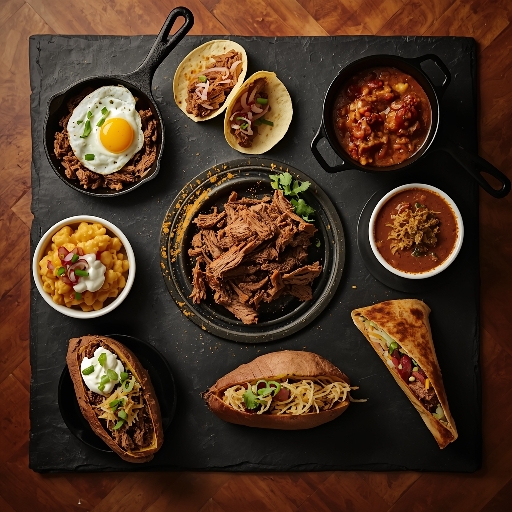
Pulled pork is one of the great slow-cook payoffs — hours of low heat, a house that smells incredible, and then somehow too much food for everyone to finish. The sandwiches are excellent on day one. By day two, you’re staring at a container of leftover pork wondering what else it can become.
The answer is: a lot. Pulled pork is one of the most versatile leftover proteins there is. It’s already cooked, already seasoned, and already tender. That means the heavy lifting is done. What’s left is just assembly and imagination — and you don’t need much of either.
This article covers real, practical meal ideas that actually get made in real kitchens. Not just a list of names — actual guidance on how to do it, what to watch for, and which combinations work best.
Why Leftover Pulled Pork Is So Useful
Before getting into specific recipes, it’s worth recognizing what makes leftover pulled pork such a good starting point for other meals.
Pulled pork is already fully cooked and seasoned with a complex base of spices, smoke (usually), and often a glaze or sauce. That flavor profile is bold enough to hold its own in dishes with strong competing ingredients. It won’t get lost in a spicy taco filling or a heavily seasoned fried rice. It can carry a dish on its own.
It’s also already shredded, which means it distributes easily into other foods — tacos, quesadillas, pasta, soups — without any additional prep beyond reheating. And pork fat, particularly when it’s been low-and-slow cooked, gives dishes a richness that other proteins sometimes lack.
The only real risk is dryness. Leftover pulled pork can dry out during storage and reheating. The fix is simple: reheat it with a splash of stock, the original cooking juices, or a small amount of sauce. A few tablespoons of liquid brought to a gentle simmer with the pork restores it almost completely.
Breakfast and Brunch Ideas
Pulled Pork Hash
Hash is one of the best kept secrets of leftover cooking. Dice potatoes (or use frozen hash browns for speed), cook them in a cast-iron pan with oil until crispy, then add diced onion, bell pepper, and a generous amount of pulled pork. Cook until everything is browned and caramelized at the edges.
Top with a fried egg. This is a complete breakfast — protein, starch, fat, a runny yolk that becomes a sauce when broken. The pork’s smokiness works particularly well here, much better than plain cooked ground pork would.
If you have leftover barbecue sauce, a thin drizzle on top of the finished hash is genuinely excellent. Don’t overdo it — a tablespoon is enough.
Breakfast Burritos
Warm pulled pork, scrambled eggs, shredded cheddar, and a spoonful of salsa wrapped in a flour tortilla. This is fast, it feeds a crowd, and it works just as well for lunch as breakfast.
The key is not letting the eggs overcook — soft, slightly underdone eggs with the residual heat of the other ingredients finish them perfectly once wrapped. If you want more texture, add a handful of frozen hash browns crisped in a separate pan.
Pulled Pork Benedict
A slightly more ambitious brunch, but not complicated. Use a split English muffin as the base, add a pile of warm pulled pork instead of Canadian bacon, top with a poached egg, and finish with hollandaise. The smoked pork against the richness of hollandaise is a combination that works remarkably well.
It doesn’t need to be fancy hollandaise — even a simple blender version made with butter, egg yolks, and lemon juice takes about five minutes and elevates the whole plate.
Tacos, Burritos, and Mexican-Inspired Dishes
Pulled Pork Tacos
This might be the single most popular use for leftover pulled pork outside of sandwiches — and for good reason. Warm the pork gently, pile it into small corn tortillas, and top with whatever combination you like: pickled red onion, sliced avocado, fresh cilantro, a crumble of cotija cheese, and a squeeze of lime.
The flavor shift from barbecue to taco is largely in the toppings. The acid from pickled onion or lime cuts through the pork’s richness and completely reframes the flavor. It doesn’t taste like recycled barbecue — it tastes like tacos.
For a quick pickle, combine thinly sliced red onion with white vinegar, a pinch of sugar, and a pinch of salt. Let it sit for twenty minutes. That’s long enough.
Quesadillas
Pulled pork quesadillas are among the fastest meals on this list. Scatter shredded cheese and pulled pork over half a large flour tortilla, fold it over, and cook in a dry skillet or on a griddle until golden and crisp on both sides.
The combination of melted cheese and smoky pork inside a crispy tortilla is difficult to argue with. Serve with sour cream, guacamole, or just salsa. This is a ten-minute meal — less if you’re not making guacamole from scratch.
Add thinly sliced jalapeño inside the quesadilla if you want heat. Caramelized onion is another excellent addition.
Pulled Pork Nachos
Spread tortilla chips on a sheet pan. Scatter pulled pork over them, then add shredded cheese, sliced jalapeños, and black beans. Bake at 400°F for eight to ten minutes until the cheese is melted and the edges of the chips are beginning to darken.
Top with fresh ingredients after baking: diced tomato, sour cream, avocado, cilantro, and a squeeze of lime. The contrast between the hot, melted base and the cold, fresh toppings is what makes nachos work.
Don’t skip the sheet pan — nachos piled in a bowl steam and go soggy. Spread them out, give them space, and let the edges get properly crispy.
Burrito Bowls
Skip the tortilla altogether. Layer a bowl with cooked rice, black beans, pulled pork, corn, shredded lettuce, pico de gallo, sour cream, and cheese. This is essentially a Chipotle-style bowl built from leftovers — fast, filling, and adaptable to whatever’s in the fridge.
A lime vinaigrette or a thin cilantro-lime sauce drizzled over the top ties everything together better than plain barbecue sauce would in this context.
Pasta and Rice Dishes
Pulled Pork Fried Rice
Fried rice works best with cold, day-old rice — which makes it a natural companion to leftover pork. Heat a wok or large skillet over very high heat, add oil, then garlic and ginger. Add the cold rice and stir-fry until the grains separate and begin to toast. Add pulled pork, soy sauce, a small amount of sesame oil, and any vegetables you have — frozen peas, diced carrot, corn, green onion.
Push everything to the sides and scramble two eggs in the center of the pan, then toss everything together once the eggs are just set.
The smokiness of the pork works surprisingly well here. Don’t add barbecue sauce — it changes the flavor profile in a way that doesn’t fit. Season with soy sauce, a splash of rice vinegar, and white pepper instead.
Pulled Pork Ragu over Pasta
This one sounds more ambitious than it is. Sauté diced onion, garlic, and crushed tomatoes in a pan. Add pulled pork and a cup of chicken or pork stock. Let it simmer for fifteen minutes until the sauce thickens slightly and the pork absorbs the tomato flavor. Season with red pepper flakes, a little fresh basil, salt and pepper.
Serve over rigatoni, pappardelle, or any broad pasta that can hold chunky sauce. Finish with grated Parmesan.
The tomato base cuts through the sweetness of barbecue-seasoned pork and creates something that feels entirely different from what the pork started as. This is a genuinely impressive weeknight dinner — it just doesn’t take much work when the protein is already cooked.
Pulled Pork Mac and Cheese
Cook macaroni, make a basic cheese sauce (butter, flour, milk, shredded cheddar or Gruyère), fold in pulled pork, and bake until bubbling and golden on top. The pork’s smokiness works beautifully with the richness of a good cheese sauce.
Some versions add a breadcrumb topping mixed with butter and a pinch of paprika before baking — it adds texture and a bit of color. A tablespoon of Dijon stirred into the cheese sauce adds depth without making it taste mustardy.
This is the kind of dish that disappears completely when served to a group. It also reheats well the next day.
Soups and Stews
Pulled Pork Chili
Add pulled pork to a pot with kidney beans, black beans, crushed tomatoes, diced onion, garlic, chili powder, cumin, smoked paprika, and chicken or pork stock. Simmer for thirty minutes. The pork essentially dissolves into the chili, contributing flavor throughout rather than sitting as distinct pieces.
This is one of the best uses on the entire list. The pork was already cooked low and slow — it’s essentially halfway to chili already. The additional simmering time just deepens everything.
Top with sour cream, shredded cheddar, sliced green onion, and pickled jalapeños. Cornbread alongside is not optional in any household that takes this seriously.
Pulled Pork Soup
A simpler, brothier version: combine pulled pork with chicken or pork stock, diced potatoes, corn, diced green chiles, cumin, and a squeeze of lime. Simmer until the potatoes are tender. Add a handful of frozen corn and some heavy cream or coconut milk in the last five minutes for richness.
This is a Southwestern-style soup that’s filling and warming without being heavy. It comes together in about thirty minutes and uses straightforward pantry ingredients.
White Bean and Pulled Pork Stew
Sweat onion, garlic, and rosemary in olive oil. Add cannellini beans, chicken stock, and pulled pork. Simmer for twenty minutes, mashing some of the beans against the side of the pot to naturally thicken the broth. Finish with a drizzle of good olive oil and a sprinkle of fresh parsley.
This is a quieter, more restrained dish than chili — Italian in spirit, deeply satisfying in a simple way. The rosemary and olive oil shift the pork’s flavor entirely away from barbecue and into something that could have come out of a Tuscan farmhouse kitchen. Serve with crusty bread.
Pizza, Flatbreads, and Handheld Meals
Pulled Pork Pizza
Use store-bought pizza dough or a pre-made crust. Spread a thin layer of barbecue sauce instead of tomato sauce, then top with pulled pork, thinly sliced red onion, shredded mozzarella, and pickled jalapeños. Bake at high heat (450°F or higher) until the crust is crisp and the cheese is bubbling.
After it comes out of the oven, add a handful of fresh arugula and a drizzle of honey. That combination — smoky pork, spicy jalapeño, peppery arugula, sweet honey — sounds unusual and works completely.
Pulled Pork Flatbreads
Similar to pizza but faster with store-bought naan or pita bread. Broil for five to seven minutes. The individual flatbreads make for easier serving and a slightly different texture — thinner, crispier, with more char.
These are a good option for a quick lunch or casual appetizer. They’re also easy to customize by the person — spicy for some, mild for others, extra cheese for kids.
Pulled Pork Sliders on Cornbread
Not a sandwich in the traditional sense — this is more of an open-faced situation. Bake a square of cornbread, cut it into small pieces, and top each one with warm pulled pork, a small spoonful of coleslaw, and a drizzle of hot sauce.
The cornbread acts as a slightly crumbly, mildly sweet base that works extraordinarily well with smoky pork. This is good party food and requires almost no cooking.
Baked and Stuffed Dishes
Pulled Pork Stuffed Sweet Potatoes
Bake sweet potatoes until tender (about an hour at 400°F, or forty minutes if you microwave them first). Split them open, fluff the interior slightly, and fill generously with warm pulled pork. Top with a spoonful of sour cream, sliced green onions, and a small amount of shredded cheddar.
The sweetness of the potato against the smoky, savory pork is one of the better flavor combinations in this entire list. It requires almost no work if the sweet potatoes are already baked, and it’s a complete meal — protein, complex carbohydrate, and enough fat to be filling.
Pulled Pork Stuffed Peppers
Cut bell peppers in half lengthwise and remove the seeds. Mix pulled pork with cooked rice, diced tomatoes, cumin, and shredded cheese. Fill the pepper halves, top with more cheese, and bake at 375°F for twenty-five minutes until the peppers are tender and the cheese is browned.
This is a classic stuffed pepper approach applied to a smoked pork filling. It works particularly well with poblano peppers if you want something with a little more flavor than standard bell peppers.
Pulled Pork Empanadas
Make or buy empanada dough, fill each circle with a spoonful of pulled pork mixed with diced onion, diced jalapeño, and a small amount of cheese, then fold and crimp closed. Bake at 400°F for twenty to twenty-five minutes until golden.
This takes slightly more effort than the other dishes on this list, but empanadas freeze beautifully. Make a large batch while you’re at it and store them for quick meals throughout the following week. Serve with chimichurri or a simple green salsa.
Storage and Reheating Tips for Leftover Pulled Pork
Before any of these recipes matter, the pork has to be stored and reheated correctly.
Storage: Leftover pulled pork keeps in the refrigerator for three to four days in an airtight container. For longer storage, freeze it in portion-sized bags — it keeps well for up to three months in the freezer. Lay the bags flat to freeze so they stack efficiently and thaw quickly.
Reheating: The biggest mistake people make is reheating pulled pork dry. It turns chalky and stringy. Always add liquid when reheating — a few tablespoons of the original cooking juices, chicken or pork stock, or a thin coat of barbecue sauce. Reheat gently over medium-low heat on the stove, covered, or in a 300°F oven covered with foil. Both methods take about ten to fifteen minutes from refrigerator temperature and produce moist, tender pork.
Microwave reheating works but requires a damp paper towel placed over the container and short intervals on medium power rather than full blast. High microwave power dries meat quickly.
Freezing tips: If the pork was sauced before storage, it freezes particularly well — the sauce protects the meat from freezer burn and keeps it moist when thawed. Unsauced pork can dry slightly during freezing; adding a tablespoon of stock before sealing the bag helps.
A Quick Reference: Leftover Pulled Pork by Occasion
| Occasion | Best Use |
|---|---|
| Weeknight dinner (fast) | Quesadillas, fried rice, tacos |
| Weekend cooking (more effort) | Ragu pasta, empanadas, stuffed peppers |
| Feeding a crowd | Nachos, chili, mac and cheese, pizza |
| Breakfast or brunch | Hash, breakfast burritos, eggs Benedict |
| Light and healthy | Burrito bowls, stuffed sweet potatoes, white bean stew |
| Party appetizers | Sliders on cornbread, flatbreads, empanadas |
Final Thoughts
Leftover pulled pork is one of those kitchen situations where you’re actually better off than you were the day before. The work is done. The flavor is built. What’s left is just deciding what shape the next meal takes.
The dishes on this list span breakfast through dinner, simple through ambitious, Tex-Mex through Italian through Southern. None of them require you to think of the pork as a leftover — each one is its own complete thing.
If there’s a single piece of advice worth taking from all of this: always reheat with liquid, and don’t reach for the barbecue sauce every time. The pork’s underlying seasoning — smoke, spice, slow-cooked depth — translates into cuisines that have nothing to do with barbecue. That’s what makes it so useful.
See Also – Substitute for Dry Mustard in a Recipe: What to Use and How Much
See Also – What Can I Use Instead of Cornstarch to Thicken Gravy?