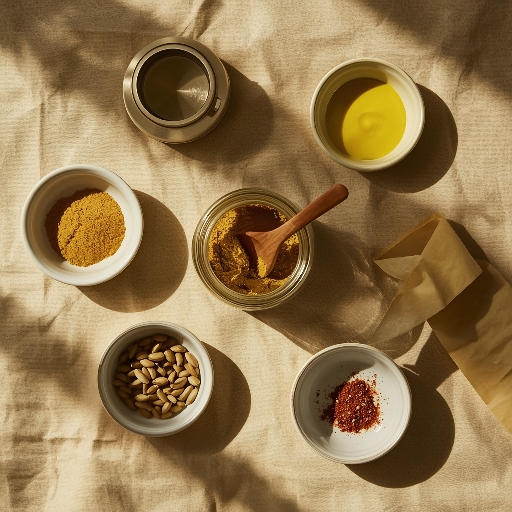
Dry mustard has a way of appearing in recipes without much fanfare — a teaspoon here, half a teaspoon there — and yet when it’s missing, something is noticeably off. That sharp, slightly bitter, nose-tingling heat doesn’t come from anywhere else quite the same way.
But you don’t need to abandon a recipe just because the jar is empty. There are several substitutes that work well, and which one you should use depends on what the dry mustard is actually doing in that particular dish. This guide covers all of it — the options, the ratios, the context, and the honest trade-offs.
What Dry Mustard Actually Does in a Recipe
Dry mustard — also called mustard powder or ground mustard — is made from finely ground mustard seeds. The powder itself has almost no flavor until it comes into contact with liquid. That contact triggers an enzymatic reaction that releases the sharp, pungent compounds responsible for mustard’s characteristic heat and bite.
In cooking, dry mustard tends to show up in a few different roles:
As a flavor enhancer. Even at small amounts — half a teaspoon in a pot of mac and cheese — dry mustard sharpens and deepens other flavors. You often can’t taste the mustard itself, but the dish tastes flatter without it.
As a pungent seasoning. In rubs, spice blends, deviled eggs, and dressings, the mustard flavor is intentional and perceptible. Here the heat and bite are part of what you’re tasting.
As an emulsifier. Mustard — including dried mustard — contains compounds that help oil and water stay blended together. In salad dressings and sauces, a small amount of dry mustard helps prevent separation.
Understanding which job it’s doing in your specific recipe tells you which substitute will work best.
The Best Substitutes for Dry Mustard
1. Prepared Mustard (Yellow, Dijon, or Spicy Brown)
Best for: Dressings, sauces, marinades, glazes, deviled eggs, most savory recipes
This is the most practical everyday substitute. Prepared mustard is simply ground mustard seeds mixed with liquid — vinegar, water, wine — along with salt and sometimes other spices. The mustard flavor is there; it’s just wetter and more diluted.
The ratio: Use one tablespoon of prepared mustard for every teaspoon of dry mustard. Because you’re adding liquid, reduce another liquid in the recipe slightly — or simply accept a tiny increase in moisture (usually inconsequential in sauces and dressings).
The type of prepared mustard matters:
- Yellow mustard is the mildest. It works in any recipe calling for dry mustard but produces a gentler result.
- Dijon mustard has a sharper, more complex flavor — closer to the clean heat of dry mustard. It’s the best choice in most savory applications, especially dressings, sauces, and egg dishes.
- Spicy brown mustard has more texture and a slightly coarser flavor. Good in rubs and marinades, less ideal in delicate sauces.
One thing to note: prepared mustard also contains salt and vinegar, which slightly alters the seasoning. Taste and adjust accordingly.
2. Turmeric
Best for: Color-dependent recipes, mild flavor substitution, mac and cheese
Turmeric is botanically related to ginger and has nothing in common with mustard in terms of flavor — it’s earthy and mildly bitter rather than sharp and pungent. So why does it appear on every dry mustard substitute list?
Because in many recipes, dry mustard’s most visible function is its warm yellow color. And turmeric delivers that color with startling efficiency. A quarter teaspoon of turmeric can replace dry mustard in any dish where appearance matters more than that sharp mustard bite.
Think: macaroni and cheese, potato salad, egg salad, pickled vegetables, yellow rice dishes. In all of these, turmeric fills the visual role. The flavor difference will be subtle in a well-seasoned dish, though turmeric does add its own mild earthiness.
Use a 1:1 ratio — one teaspoon of turmeric for one teaspoon of dry mustard. Expect the color to be more intensely yellow with turmeric, and expect the flavor to be slightly different but not unpleasant.
Avoid this substitution in recipes where the mustard heat itself is the point — turmeric provides zero pungency.
3. Prepared Horseradish
Best for: Recipes that need heat and bite; sauces, dressings, beef dishes
Horseradish and mustard are members of the same plant family (Brassicaceae) and share some of the same pungent chemical compounds. That family resemblance translates into similar culinary effects — both deliver that sharp, sinus-clearing heat.
Use about half a teaspoon of prepared horseradish per teaspoon of dry mustard. Start conservatively — horseradish can be more intense than mustard, depending on the brand and freshness. Taste and adjust.
This substitution works especially well in dishes with beef, in dipping sauces, in Bloody Mary mixes, and in any context where a bit of sharpness and heat is needed without a distinct mustard flavor. It doesn’t contribute mustard’s specific taste — it contributes a similar kind of heat from a different source.
It also functions as a partial emulsifier, which makes it useful in dressings where dry mustard was doing that job.
4. Wasabi Powder
Best for: Sauces and dressings where sharp heat is the priority
Wasabi is another member of the Brassicaceae family — its heat comes from the same class of compounds as both mustard and horseradish. In powder form, it’s a reasonable stand-in for dry mustard’s heat, though the flavor is distinct and identifiable as wasabi to anyone who’s eaten sushi.
Use about half a teaspoon of wasabi powder per teaspoon of dry mustard, and taste carefully before adding more. Wasabi can be significantly hotter depending on the product.
This works in Asian-influenced dishes, dipping sauces, and vinaigrettes where the wasabi note is either expected or compatible. It’s not a universal substitute — in a traditional mac and cheese or potato salad, wasabi flavor will be noticeably out of place.
5. Mustard Seeds (Whole or Cracked)
Best for: Pickles, brines, Indian cooking, dishes with texture
Whole mustard seeds — yellow, brown, or black — are simply dry mustard before it’s been ground. The flavor potential is the same, but because the seeds are intact, the pungent compounds are released differently: more slowly, and with more of a popping, textural quality when bitten into.
Grind whole mustard seeds in a spice grinder or mortar and pestle to create a rough approximation of dry mustard. Use in a 1:1 ratio with the original dry mustard amount. The result won’t be as fine or uniform as commercial dry mustard, but it works well in most applications.
Whole seeds work particularly well in pickling liquids, where they contribute flavor and visual interest without needing to dissolve fully. In cooked dishes and dressings, grinding them first produces a more consistent result.
6. Wasabi Paste
Best for: Quick substitution, sauces, last-minute use
The tube or packet of wasabi paste that lives in most fridges after a sushi night is a workable option in a pinch. It’s already hydrated and ready to mix into a sauce or dressing.
Use about half a teaspoon of wasabi paste per teaspoon of dry mustard. It’s moist, so adjust other liquids slightly. Flavor-wise, it reads as heat more than mustard — but in the right recipe that’s acceptable.
7. Cayenne Pepper or Hot Paprika
Best for: Recipes where heat is the only goal; rubs, spice blends
If the dry mustard in your recipe is primarily adding heat — in a spice rub for ribs, say, or a dry seasoning blend — then cayenne or hot paprika can cover that function. Neither has mustard’s specific pungency or color, but both add warmth that fills a similar role in the overall flavor picture.
Use cayenne sparingly — it’s significantly hotter than dry mustard. Start with a quarter teaspoon per teaspoon of dry mustard and taste before adding more. Hot paprika is milder and can be used in roughly a 1:1 ratio, with less heat but more color.
These substitutes work best in rubs, dry brines, chili spice blends, and hearty stews where the mustard was one of many background flavors. They don’t work in recipes where mustard is a leading flavor note.
Recipe-Specific Guidance
Mac and Cheese
Dry mustard in mac and cheese sharpens the cheese flavor and cuts through the richness. Most people can’t identify it as mustard — they just know the mac and cheese tastes better with it.
Best substitute: Dijon mustard (one tablespoon per teaspoon of dry mustard) or turmeric (1:1) for a color-only effect. For flavor without color, Dijon is consistently the better choice. It melts into the cheese sauce and does nearly the same job.
Deviled Eggs
Here, dry mustard contributes a gentle heat and a slightly tangy sharpness. The flavor is intentional and perceptible.
Best substitute: Prepared Dijon mustard in the same 3:1 ratio. The flavor profile is the closest match. Yellow mustard works but is milder. A small amount of horseradish can be added alongside either if you want more heat.
Salad Dressings and Vinaigrettes
Dry mustard here is often doing double duty — flavor and emulsification. A vinaigrette with dry mustard stays blended longer than one without.
Best substitute: Dijon mustard, 3:1. Dijon is already emulsified and contributes the same fat-water bridging properties in a dressing. This is one of the most effective swaps in the entire list — the result is virtually identical.
Spice Rubs and Dry Brines
In a rub, dry mustard adds heat, slight bitterness, and helps the other spices adhere to meat during cooking. Moisture content doesn’t matter here — only dry substitutes apply.
Best substitute: Crushed or ground mustard seeds (1:1) are the closest. Ground turmeric (1:1) covers color. Cayenne (¼:1 ratio) covers heat. For a full replacement, a combination of turmeric and a small amount of cayenne covers most bases.
Cheese Sauces and Béchamel
Similar to mac and cheese — dry mustard enhances and sharpens the other flavors without announcing itself.
Best substitute: Dijon mustard or a small amount of prepared horseradish. Either integrates smoothly into a cream-based sauce without changing the texture.
Pickles and Brines
Dry mustard in pickling often appears in seed form anyway. The pungency mellows significantly through the pickling process; what remains is a mild, pleasant warmth.
Best substitute: Whole yellow or brown mustard seeds in a 1:1 volume ratio. This is actually more traditional in many pickling recipes than ground mustard — seeds look better in the jar and provide texture.
Barbecue Sauce
Dry mustard in barbecue sauce contributes depth and a background sharpness that balances sweet and smoky notes.
Best substitute: Prepared yellow mustard (3:1) or Dijon (3:1). Both integrate well into the sauce without adding noticeable extra liquid at these ratios. Some barbecue sauces actually specify prepared mustard anyway.
When You Can Just Leave It Out
Not every recipe needs a substitute. If dry mustard is present in very small amounts — ¼ teaspoon or less — in a dish with many other flavors, leaving it out often produces no perceptible difference.
The recipes where omission is most noticeable:
- Deviled eggs (mustard flavor is prominent)
- Simple cheese sauces (it provides critical balance)
- Basic vinaigrettes (emulsification suffers without it)
- Snickerdoodles and some baked goods (yes, it appears there occasionally — as a flavor background)
The recipes where you can usually get away without it:
- Complex spice rubs with many other seasonings
- Heavily spiced braises and stews
- Recipes where it appears as ⅛ teaspoon alongside a dozen other ingredients
Taste as you go. Your palate will tell you more than any rule.
A Quick Reference Table
| Substitute | Ratio vs. Dry Mustard | Flavor Match | Color Match | Best Use |
|---|---|---|---|---|
| Dijon mustard | 1 tbsp per 1 tsp | Excellent | Mild yellow | Sauces, dressings, eggs |
| Yellow mustard | 1 tbsp per 1 tsp | Good (milder) | Yellow | Everyday cooking |
| Turmeric | 1:1 | Poor (earthy) | Excellent | Color-dependent dishes |
| Horseradish (prepared) | ½ tsp per 1 tsp | Moderate (different heat) | None | Beef dishes, sauces |
| Wasabi powder | ½ tsp per 1 tsp | Moderate (different) | Pale | Asian dishes, dressings |
| Ground mustard seeds | 1:1 | Best | Good | Any recipe |
| Cayenne pepper | ¼ tsp per 1 tsp | Poor (heat only) | No | Rubs, spice blends |
| Hot paprika | 1:1 | Poor (heat only) | Orange-red | Spice blends, stews |
Practical Tips Before You Substitute
Taste the substitute before committing. Prepared mustard varies widely in sharpness and saltiness by brand. A quick taste tells you more than any ratio chart.
Account for moisture. Prepared mustard, horseradish, and wasabi paste all add liquid. In thick sauces and batters, this is usually negligible. In dry spice blends and rubs, stick to dry substitutes only.
Build flavor gradually. With any substitute, add about two-thirds of the calculated amount first, taste, and adjust. It’s easier to add more than to fix a dish that’s too sharp or too hot.
Note the salt. Prepared mustard, horseradish, and many condiments contain significant salt. If your recipe is already well-salted, reduce added salt slightly to compensate.
Freshness matters. Dry mustard that’s been in the cabinet for three or more years has likely lost much of its potency anyway. If your original jar was old and flat, even an imperfect substitute may produce a better result.
Final Thoughts
Dry mustard is one of those ingredients that does more behind the scenes than most people realize. That’s also why substituting it is usually manageable — it’s rarely the only flavor in a dish, and any good substitute can fill in the gap without the recipe falling apart.
Dijon mustard is the most versatile and reliable swap across the widest range of recipes. Ground mustard seeds are the most technically accurate. Turmeric handles the color function when that’s all you need.
Pick the substitute that fits what your recipe actually needs from that teaspoon of dry mustard, use the ratios carefully, and taste as you go. That approach works whether you’re finishing a cheese sauce at the last minute or rebuilding a barbecue rub from scratch.
Image Prompt for This Article
Prompt: “An overhead flat lay on a warm cream linen surface showing an open jar of dry mustard powder with a small wooden spoon resting inside, surrounded by substitute ingredients in small ceramic bowls and ramekins: a dollop of Dijon mustard, bright yellow turmeric powder, a small jar of prepared horseradish, whole mustard seeds scattered loosely, and a pinch of cayenne pepper on a folded piece of parchment. Warm, natural side lighting with soft shadows. Clean editorial food photography style. No text or labels.”