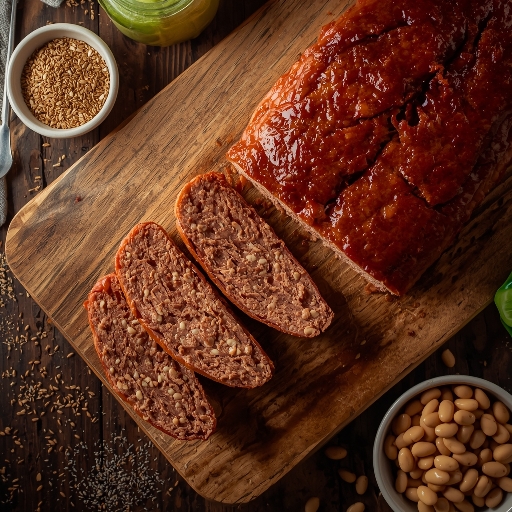
Most meatloaf recipes call for one or two eggs, and the assumption is always that they’re non-negotiable. But they’re not. People skip eggs in meatloaf all the time — because of allergies, dietary choices, or simply because they checked the fridge too late and the carton was empty.
The good news is that eggs are doing a specific, replaceable job. Once you understand what that job is, substituting becomes straightforward. This article walks through every reliable option, explains how each one works in practice, and tells you which situations call for which substitute.
What Eggs Actually Do in Meatloaf
Before reaching for a substitute, it’s worth spending a moment on this. Eggs serve two main functions in meatloaf:
Binding. Ground meat, breadcrumbs, onion, and seasoning don’t naturally stick together. Eggs contain proteins that, when heated, set firm and hold everything in a cohesive structure. Without something doing this job, your meatloaf crumbles when sliced.
Moisture. Eggs are about 75% water. They add a subtle amount of liquid that keeps the interior from drying out during the long bake time.
Some substitutes handle binding better. Others contribute more moisture. A few do both reasonably well. Knowing which you need — a loaf that holds its shape, a moist texture, or both — helps you pick the right replacement.
The Best Egg Substitutes for Meatloaf
1. Flaxseed Meal (Flax Egg)
Best for: Vegan meatloaf, firm texture, clean binding
A flax egg is one of the most reliable binders in all of egg-free cooking — not just meatloaf. Mix one tablespoon of ground flaxseed with three tablespoons of water. Stir and let it sit for five to ten minutes. It gels into a thick, slightly sticky paste that behaves remarkably like a beaten egg in terms of holding things together.
Use one flax egg per egg your recipe calls for. It won’t add flavor — flaxseed in this quantity is almost neutral in a well-seasoned meatloaf. The binding is firm and reliable; slices hold together cleanly.
One thing to know: it doesn’t replicate the richness that a whole egg yolk contributes. If your meatloaf is already on the leaner side, consider adding an extra tablespoon of olive oil to compensate.
2. Chia Seeds (Chia Egg)
Best for: Vegan and allergy-friendly meatloaf, similar to flax egg
Chia seeds work almost identically to flax seeds in this context. Mix one tablespoon of chia seeds with three tablespoons of water, rest for ten minutes, and you get a gel with good binding strength.
The only practical difference is texture — chia seeds don’t disappear completely the way ground flax does. In a smooth meatloaf, tiny chia seeds can be visible in the slice. In a rustic, herb-heavy loaf with diced vegetables mixed in, they’re invisible. It’s a minor point, but worth thinking about depending on how you like your meatloaf to look.
Nutritionally, both chia and flax add fiber and omega-3 fatty acids — a side benefit that has no bearing on the cooking, but some people appreciate it.
3. Unsweetened Applesauce
Best for: Moisture, mild flavor, family-friendly substitution
Applesauce is primarily a moisture substitute rather than a binder, but in meatloaf it does pull double duty. Use three tablespoons per egg. It keeps the interior of the loaf genuinely moist — arguably more so than a real egg — while adding a very faint sweetness that most people find pleasant rather than distracting.
It works particularly well in meatloaf recipes that already include something sweet in the glaze (a ketchup-brown sugar topping, for instance). The flavor profile fits.
The binding is softer than a flax egg. Your meatloaf will hold together during baking, but slices may be slightly more fragile. Chilling the loaf for fifteen minutes before slicing makes a real difference here.
4. Mashed Banana
Best for: Softer loaves, recipes where a subtle sweetness works
Mashed banana is not the most obvious choice, but it works — with some caveats. Use about a quarter of a ripe banana (roughly three tablespoons mashed) per egg. It has decent binding properties and adds moisture.
The caveat: banana has a recognizable flavor. In a heavily spiced meatloaf — one with Worcestershire sauce, garlic, smoked paprika, and fresh herbs — it mostly disappears. In a milder, more straightforward recipe, you might taste it.
This substitution tends to appeal to people cooking for kids who already eat mildly sweet meatloaf-style dishes. It’s not a go-to for purists, but it works when that’s what you have.
5. Mashed Potatoes (or Instant Potato Flakes)
Best for: Hearty texture, binding without changing flavor
This is a surprisingly underrated option. Cooked mashed potato — plain, without butter or cream mixed in — acts as a starchy binder that holds meat together well during baking. Use about ¼ cup of plain mashed potato per egg.
Instant potato flakes work slightly differently but with a similar outcome. They absorb moisture from the meat as it cooks and swell into a starch network that stabilizes the loaf. Use two to three tablespoons of dry flakes per egg, and reduce any other added liquid slightly so the mixture doesn’t get too wet.
The flavor impact is minimal. Potato is neutral enough that in a well-seasoned meatloaf, you genuinely won’t detect it. And the texture it produces is dense and sliceable — one of the better outcomes in terms of mimicking traditional meatloaf.
6. Canned Beans (Mashed)
Best for: Vegan meatloaf, protein boost, firm binding
Mashed white beans, black beans, or chickpeas can replace eggs in meatloaf with good results. Use about three tablespoons of well-mashed (or blended) beans per egg. The starch in the beans acts as a binder, and the protein content helps the loaf hold structure during baking.
White cannellini beans are the most neutral in flavor and blend seamlessly into the meatloaf mix. Black beans have a stronger, earthier taste and work best in meatloaf recipes that lean into bold seasoning — cumin, chili, smoky flavors.
One practical note: make sure the beans are genuinely well-mashed. Whole or partially mashed beans will create pockets in the loaf that affect texture.
7. Tomato Paste
Best for: Flavor-forward binding, savory meatloaf, last-minute substitutions
Tomato paste is thick, concentrated, and sticky — which makes it a reasonable binder in smaller quantities. Use two to three tablespoons per egg. It won’t hold a loaf together as firmly as a flax egg or mashed potato, but it contributes to cohesion while also deepening the savory, umami flavor of the meatloaf.
This is a good choice when you want to add richness and don’t need the substitute to do all the heavy structural lifting. Pair it with a small amount of breadcrumbs or oats for better overall binding.
8. Plain Yogurt or Sour Cream
Best for: Moist texture, dairy-tolerant diets, everyday baking
Both plain yogurt and sour cream add moisture and a small amount of protein that helps with binding. Use about three tablespoons per egg. The result is a tender, moist loaf — some would say the most tender of all the substitutes.
The flavor contribution is a slight tang, which most people don’t notice at all in a seasoned meatloaf. Full-fat versions work better than low-fat here; the extra fat contributes to both texture and richness.
This is a practical everyday substitution — not for vegans, obviously, but for anyone who simply ran out of eggs and has yogurt or sour cream on hand. Which, honestly, describes a lot of weeknight cooking situations.
9. Silken Tofu (Blended)
Best for: Vegan meatloaf, neutral binding, high-protein recipes
Silken tofu blended smooth produces a creamy, neutral liquid that binds similarly to beaten egg when heated. Use about ¼ cup of blended silken tofu per egg. It holds together well and adds almost no detectable flavor.
It’s worth blending it completely before adding it to the meat mixture — even small lumps of unblended tofu can create soft spots in the loaf. Once smooth, stir it in thoroughly and handle the mix gently to avoid overworking the meat.
10. Oats or Breadcrumbs (with Added Liquid)
Best for: Simple binding, pantry staples, texture enhancement
This is the most basic option — and it’s been used in meatloaf long before egg substitutions became a topic of interest. Extra breadcrumbs or rolled oats absorb moisture from the meat as it cooks and help hold the structure together.
The key is adding a small amount of liquid alongside them — a splash of milk (dairy or plant-based), beef broth, or even water. Without added liquid, extra breadcrumbs will pull moisture from the meat and produce a dry loaf.
Use about ¼ cup of rolled oats or fine breadcrumbs plus two tablespoons of liquid per egg replaced. This is especially useful as a backup when you don’t have any of the other substitutes available.
A Side-by-Side Comparison
| Substitute | Binding Strength | Flavor Impact | Vegan | Best Use Case |
|---|---|---|---|---|
| Flax Egg | Strong | Neutral | Yes | Any meatloaf |
| Chia Egg | Strong | Neutral | Yes | Rustic-style loaves |
| Applesauce | Medium | Mildly sweet | Yes | Moist, family-style |
| Mashed Banana | Medium | Noticeable | Yes | Spiced or sweeter loaves |
| Mashed Potato | Strong | Neutral | Yes | Hearty, firm texture |
| Mashed Beans | Strong | Mild-earthy | Yes | Bold, seasoned loaves |
| Tomato Paste | Medium | Savory/umami | Yes | Flavor-first recipes |
| Yogurt/Sour Cream | Medium-Strong | Slight tang | No | Tender, moist loaves |
| Silken Tofu | Strong | Neutral | Yes | Vegan, high-protein |
| Oats + Liquid | Medium | Mild | Yes | Pantry staple backup |
Practical Tips for Egg-Free Meatloaf That Holds Together
Getting the substitute right is only half the job. The other half is technique.
Don’t skip the resting time. Every meatloaf — with or without eggs — benefits from sitting in the pan for ten to fifteen minutes after it comes out of the oven. During that time, the internal structure firms up significantly. Slicing immediately is the fastest route to a crumbling loaf.
Mix gently. Overworking ground meat makes it dense and tough. Once you’ve added your binder substitute, mix just until everything is incorporated. Thirty seconds by hand is usually enough.
Use a panade if in doubt. A panade is a mixture of breadcrumbs soaked in milk (or broth) that gets mixed into the meat before everything else. It’s a classical technique from French cooking that both adds moisture and helps with binding — a nice insurance policy when you’re working without eggs.
Chill before slicing if needed. If your loaf comes out and feels softer than expected, refrigerate it for twenty minutes before cutting. Cold proteins hold together more firmly. This works especially well with applesauce and yogurt-based substitutes.
Which Substitute Should You Actually Use?
Here’s a direct answer, because sometimes you just want someone to make the call:
- If you’re vegan and want the most reliable result: Use a flax egg. It’s consistent, neutral, and widely available.
- If you’re not vegan and just ran out of eggs: Use plain yogurt or mashed potato. Both are likely in your kitchen already, and either works extremely well.
- If you need something completely neutral that disappears into the loaf: Mashed white beans or silken tofu.
- If flavor complexity is more important to you than texture: Tomato paste, combined with extra breadcrumbs for structure.
- If you’re cooking for a child with an egg allergy: Applesauce is a gentle, familiar-tasting choice that most kids don’t notice.
A Note on Egg Allergy vs. Egg-Free Preference
If you’re substituting because of a genuine egg allergy — particularly a severe one — it’s worth double-checking every ingredient in the recipe. Some store-bought breadcrumbs, sauces, and Worcestershire sauces contain egg derivatives or are produced in facilities that process eggs.
Reading labels carefully matters in this context. This article focuses on culinary substitution; for medical dietary guidance, a registered dietitian is always the better resource.
Final Thoughts
Eggs in meatloaf are a habit more than a requirement. The right substitute can produce a loaf that slices cleanly, tastes rich, and holds together just as well as anything made with eggs — sometimes better, depending on the substitute.
The best results usually come from choosing a substitute that matches what your particular recipe needs most: binding strength, moisture, flavor, or all three. Start with a flax egg or mashed potato if you’re unsure. Both are forgiving, reliable, and work across a wide range of meatloaf styles.
Once you’ve made egg-free meatloaf successfully once, you’ll likely stop thinking of eggs as essential at all.
See Also – Substitute for Heavy Cream in Soup: What Actually Works (and What Doesn’t)
See Also – What Can I Substitute for Buttermilk in a Recipe?