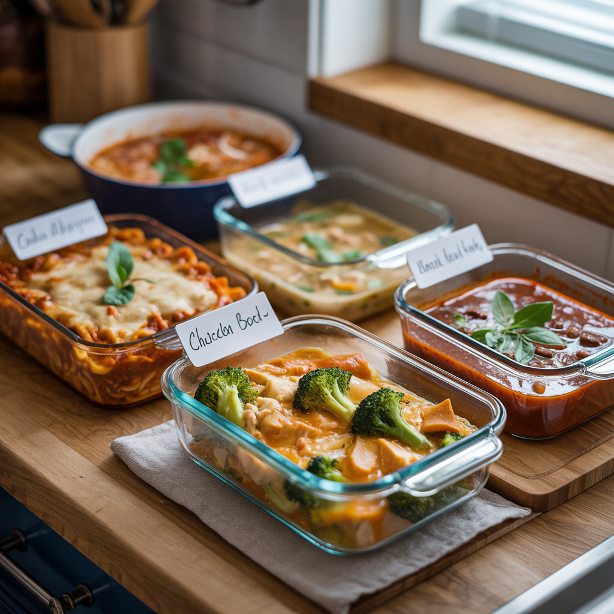
You love comfort food.
But you don’t love the chaos of cooking every night after a long day.
What if you could have creamy casseroles, hearty soups, and cheesy bakes waiting in your fridge or freezer—ready to reheat in minutes?
Good news: you can. And it’s not about sad, soggy leftovers. With smart planning, your meal-prepped comfort food can taste just as rich, satisfying, and soul-warming as the day you made it.
In 2025, with over 70% of Americans reporting they meal prep at least once a week (National Grocers Association), comfort food is getting a strategic upgrade. People aren’t giving up mac and cheese or lasagna—they’re making it ahead so they can enjoy it without the stress.
This guide shows you how to prep, store, and reheat comfort food that actually holds up—so you always have a hug in a bowl, even on your hardest days.
Why Meal Prep + Comfort Food Is a Game-Changer
Let’s be real: comfort food often feels “off-limits” for meal preppers. It’s seen as heavy, time-consuming, or unhealthy.
But what if it’s neither?
When you prep comfort food intentionally:
- You control ingredients (less sodium, more veggies)
- You save money (versus takeout or frozen meals)
- You reduce decision fatigue (“What’s for dinner?” is solved)
- You get emotional nourishment and physical fuel
This isn’t about restriction. It’s about strategic self-care.
The Best Comfort Foods to Meal Prep (That Actually Hold Up)
Not all comfort dishes reheat well. Skip anything with mayo, delicate greens, or ultra-crispy crusts. Instead, focus on these winners:
✅ Casseroles
- Baked ziti
- Chicken broccoli bake
- Breakfast egg casserole
- Beef and rice casserole
Why they work: They’re saucy, layered, and improve with time. Freeze unbaked for best results.
✅ Soups & Stews
- Chicken noodle soup
- Beef stew
- Lentil soup
- Creamy potato soup (dairy-free versions freeze best)
Why they work: Flavors deepen overnight. Portion in 2-cup containers for easy reheating.
✅ Baked Pastas
- Lasagna (with no-boil noodles)
- Zucchini lasagna (low-carb option)
- Chicken Alfredo bake
Tip: Undercook pasta slightly. It softens more during storage and reheating.
✅ Hearty Grain Bowls
- Cheesy potato bowls with roasted chicken
- Taco-inspired bowls with rice, beans, and salsa
- Shepherd’s pie cups (mashed potatoes over filling)
Pro move: Store components separately. Assemble when ready to eat.
Your Step-by-Step Meal Prep Plan
1. Pick 2–3 recipes max
Don’t overwhelm yourself. Choose one casserole, one soup, and one grain bowl.
2. Shop smart
Buy in bulk: ground turkey, cheese, broth, frozen veggies. Use sales—rotisserie chickens are gold for shredding.
3. Prep in this order:
- Chop onions, garlic, celery (store in containers)
- Cook grains (rice, quinoa)
- Brown meats
- Assemble casseroles (don’t bake yet)
- Simmer soups
4. Store like a pro:
- Fridge: 3–4 days max. Use glass containers with tight lids.
- Freezer: Up to 3 months. Label with name and date.
- Portion: Single servings for lunch. Family-sized for dinner.
5. Reheat right:
- Casseroles: Thaw overnight, then bake covered at 375°F.
- Soups: Stovetop on medium-low, or microwave with a damp towel.
- Pastas: Add a splash of water or broth before reheating.
Real-Life Wins This Strategy Delivers
- Post-work reset: Come home to a hot, homemade dinner—no cooking required.
- New parent survival: My friend made three casseroles before her baby came. For six weeks, she ate like a queen.
- Budget stretch: Feed a family of four for under $15/meal vs. $40+ for takeout.
- Holiday hosting: Pull a frozen lasagna from the freezer for unexpected guests.
- Emotional support: On hard days, knowing a warm meal is waiting reduces anxiety.
Pro Tips From Someone Who’s Done This for Years
- Always cool food fast. Divide big batches into shallow containers. Never put hot food straight in the fridge.
- Under-sauce slightly. Sauces thicken in storage. You can always add broth when reheating.
- Hold delicate toppings. Add fresh herbs, avocado, or crispy onions after reheating.
- Make it flexible: Prep a “base” (like shredded chicken or roasted veggies) and use it in multiple dishes.
- Label everything. “Beef stew – 3/15” saves you from mystery freezer meals.
Top 5 FAQs People Actually Search For
1. Can I meal prep creamy casseroles?
Yes—but avoid sour cream or mayo. Use Greek yogurt or cottage cheese instead. Freeze unbaked for best texture.
2. How do I keep pasta from getting mushy?
Cook it 1–2 minutes less than al dente. It softens more in sauce during storage.
3. Can I freeze soups with dairy?
Dairy-based soups can separate. For best results, freeze before adding cream or cheese. Stir in fresh when reheating.
4. What’s the best container for freezing casseroles?
Glass Pyrex with lids or aluminum pans wrapped in foil. Line with parchment for easy removal.
5. How long does meal-prepped comfort food last?
- Fridge: 3–4 days
- Freezer: 2–3 months
Always follow USDA guidelines: reheat to 165°F.
The Bottom Line
Meal prep comfort food isn’t about sacrificing joy for convenience.
It’s about bringing warmth to your table—on your terms.
With a little planning, you can have the meals that nourish your soul ready when you need them most. No stress. No guilt. Just real food, made with love, waiting for you.
So this weekend, pick one casserole, one soup, and one cozy bowl. Make them. Portion them. Tuck them away.
Your future self—spooning into a steaming, satisfying meal on a tired Tuesday—will thank you.
See Also – Soup Storage and Reheating: How to Keep It Safe, Fresh, and Just as Delicious as Day One