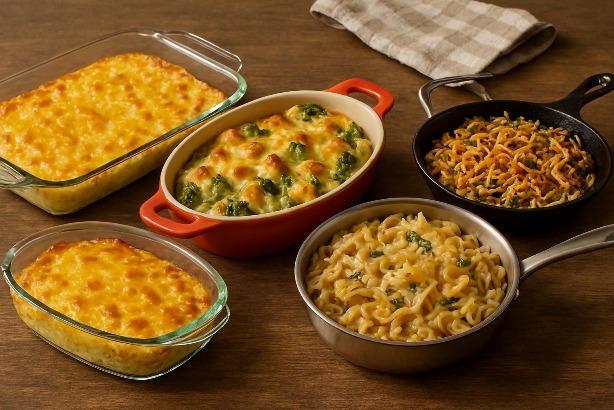
You’ve perfected your chicken broccoli bake.
Your green bean casserole is legendary.
But every time you pull it from the oven… the dish cracks, the edges burn, or the bottom sticks like glue.
What if the problem isn’t your recipe—but your baking dish?
After testing dozens of pans over 15 years of cooking, hosting, and meal prepping, I can tell you this: the right casserole dish makes or breaks your meal.
In 2025, with more Americans cooking at home and investing in quality kitchen tools (NPD Group reports a 32% rise in bakeware sales since 2022), choosing the right dish matters more than ever.
Let’s cut through the noise and find the best baking dish for casseroles—based on real use, not just hype.
Why Your Casserole Dish Matters More Than You Think
A casserole isn’t just dumped in a pan and baked. It simmers, steams, browns, and rests. The dish you choose affects:
- Evenness of cooking
- Crust formation
- Moisture retention
- Ease of cleanup
- Whether it survives the broiler—or your dishwasher
Use the wrong material, and you’ll get burnt edges, soggy centers, or worse—a shattered dish on your oven floor.
The Top 4 Materials—Ranked by Real-World Performance
1. Glass (Like Pyrex) – Best for Even Baking & Visibility
Pros:
- Heats evenly and retains heat well
- Lets you see browning on the bottom (no guessing!)
- Non-reactive (won’t alter acidic tomato sauces)
- Oven, microwave, and fridge-safe
Cons:
- Can shatter if exposed to sudden temperature changes (never place hot glass on a cold counter!)
- Not broiler-safe in most models
Best for: Cheesy potato bakes, breakfast egg casseroles, baked pastas, and anything you want to prep-and-chill before baking.
Real-life win: I make my famous overnight breakfast casserole in a Pyrex 9×13. I assemble it Sunday night, refrigerate, then bake Monday morning—no pan swap needed.
2. Ceramic (Like Le Creuset or Emile Henry) – Best for Presentation & Retention
Pros:
- Gorgeous enough to serve straight to the table
- Excellent heat retention (keeps food warm longer)
- Naturally non-stick when glazed properly
- Broiler-safe (check manufacturer specs)
Cons:
- Heavy and expensive ($80–$150+)
- Can chip if dropped
- Takes longer to heat up
Best for: Holiday dishes, dinner parties, or any casserole you want to look Instagram-worthy.
Real-life win: My sister brings her ceramic-topped green bean casserole to Thanksgiving. It stays warm through dessert—and gets compliments every year.
3. Stainless Steel – Best for Durability & High Heat
Pros:
- Virtually indestructible
- Broiler- and stovetop-safe (great for searing meat first)
- Resists warping and staining
- Dishwasher-safe
Cons:
- Poor heat retention (food cools fast)
- Food sticks more easily unless well-greased
- You can’t see the bottom while baking
Best for: Skillet-to-oven casseroles (like tuna noodle or beef rice bake) where you brown ingredients first.
Real-life win: I use my All-Clad stainless 9×13 for chicken Alfredo bake—I sauté garlic in butter right in the pan, then add cream and pasta. One dish, zero transfer.
4. Cast Iron (Like Lodge) – Best for Crispy Edges & Versatility
Pros:
- Unbeatable browning and crust (hello, crispy potato edges!)
- Stovetop-to-oven-to-table seamless
- Naturally non-stick when seasoned
- Lasts a lifetime
Cons:
- Extremely heavy
- Requires hand-washing and seasoning
- Reactive with acidic foods (tomato sauce can strip seasoning)
Best for: Rustic bakes like cornbread-topped chicken casseroles or cheesy potato gratins where you want deep caramelization.
Real-life win: My cast iron skillet lasagna has edges so crispy, my kids fight over them.
What About Disposable Aluminum Pans?
They’re cheap and convenient—but avoid them for most casseroles.
Why? They warp in the oven, conduct heat unevenly, and often leak. Plus, they don’t retain heat, so your casserole cools fast.
Only use them for gifting or potlucks where you won’t get the pan back—and always place them on a sheet pan to prevent spills.
The Ideal Sizes Every Home Cook Needs
Don’t buy every size. Start with these three:
- 8×8-inch square: Perfect for 2–4 servings (small families, date night, leftovers)
- 9×13-inch rectangular: The workhorse. Feeds 6–8. Fits most recipes.
- 2–3 quart oval or round: Great for side dishes, smaller bakes, or serving at the table
Pro tip: Measure your oven shelves before buying! Some deep 9×13 dishes won’t fit under standard racks.
Care Tips to Make Your Dish Last
- Glass: Never take from freezer to oven (or vice versa). Let it come to room temp first.
- Ceramic: Avoid metal utensils—they scratch the glaze.
- Stainless: Deglaze with broth or wine after cooking to lift stuck bits.
- Cast Iron: Never soak or use soap. Dry immediately and oil lightly after washing.
Top 5 FAQs People Actually Search For
1. Can I use a glass dish instead of ceramic for baking?
Yes—for most casseroles. But avoid high-broil finishes; glass isn’t always broiler-safe.
2. Is Pyrex still safe to use?
Yes—if you follow safety guidelines. Don’t expose it to sudden temperature changes. Older Pyrex (pre-1980s) was made with borosilicate glass and was more durable, but modern tempered soda-lime glass is safe when used properly.
3. What’s the best dish for freezing casseroles?
Glass (Pyrex) or ceramic with freezer-safe labels. Avoid thin ceramic—it can crack. Always leave 1 inch of headspace for expansion.
4. Can I bake a casserole in a metal pan?
Yes—stainless steel or aluminum works well. Just reduce oven temp by 25°F, as metal heats faster than glass.
5. How do I keep food from sticking?
Grease thoroughly with butter or oil—even in “non-stick” dishes. For cheesy bakes, a light coating of mayo works surprisingly well!
The Bottom Line
The best baking dish for casseroles isn’t one-size-fits-all.
It depends on what you’re making, how you cook, and how you serve.
But if you’re starting from scratch? Get a 9×13-inch Pyrex glass dish. It’s affordable ($25–$35), versatile, and handles 90% of casserole jobs beautifully.
Then, as your cooking evolves, add a cast iron skillet for crispy edges or a ceramic dish for entertaining.
Because great casseroles aren’t just about the recipe.
They’re about the vessel that carries comfort from your oven to your table.
So choose wisely. Your future self—serving golden, perfectly baked goodness without a single stuck bite—will thank you.
See Also – Baked Ziti with Ricotta and Mozzarella: The Ultimate Comfort Casserole That Feels Like a Hug