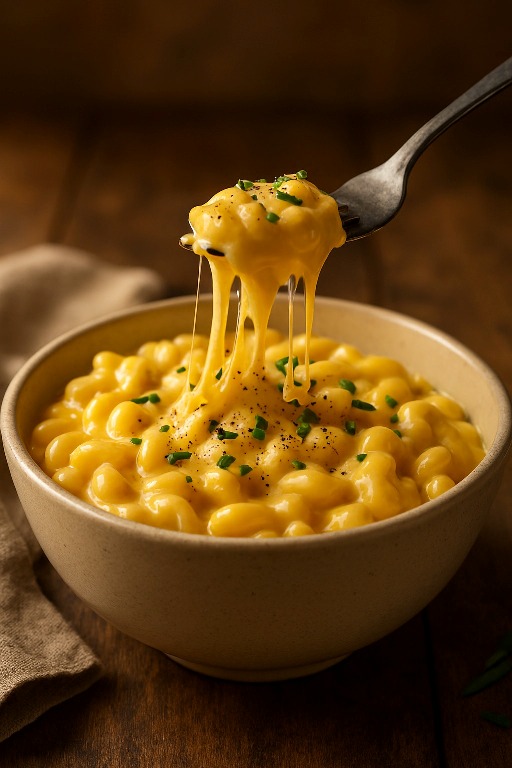
Hey there, friends. Picture this: It’s a rainy Saturday afternoon in the Midwest, kids are bouncing off the walls, and you’re staring into the fridge, wondering how to make magic happen fast. Enter mac and cheese made with evaporated milk. This isn’t your average boxed stuff. It’s creamy, velvety, and comes together without a roux or fancy tricks. In 2026, with everyone chasing comfort food that feels a little smarter, this method is having a moment. Let’s talk about why it works so well and how to nail it at home.
Why Evaporated Milk Is the Secret Weapon
Evaporated milk is regular milk with about 60% of the water removed. That leaves more protein and solids behind.
Those extra proteins help the cheese sauce stay smooth. It emulsifies better than regular milk, so no grainy or separated mess.
Serious Eats nailed this years ago with their 3-ingredient stovetop version. It went mega-viral, and folks are still raving in 2026.
No wonder Southern grandmas swear by it for baked versions too. The texture is silkier, richer, without extra cream or butter overload.
Real talk: If you’ve ever had mac and cheese break on you, this fixes that headache.
The Magic of the 3-Ingredient Stovetop Version
This is the one blowing up online right now. Minimal cleanup, maximum creaminess.Ingredients for 4 hearty servings:
- 8-12 oz elbow macaroni (or shells for better sauce grab)
- 1 (12 oz) can evaporated milk
- 8-12 oz freshly grated sharp cheddar (or mix in some Monterey Jack)
- Salt and pepper to taste
- Optional: A pinch of mustard powder or garlic powder for depth
Cook the pasta in a pot with just enough water to cover it. Bring to a boil, stir often.
When the pasta is almost al dente (a minute shy), most water should be absorbed.
Pour in the evaporated milk. Stir and simmer gently 2-3 minutes.
Add the cheese in handfuls. Stir constantly until melted and glossy.
Season. Done in under 20 minutes total.
Pro move: Grate your own cheese. Pre-shredded has anti-caking stuff that can make sauce grainy.
Baked Version for That Golden Top
Want the classic casserole feel? Turn it baked.
Use the same base sauce. Cook pasta fully, drain if needed.
Mix in the evaporated milk and cheese sauce.
Pour into a greased 9×13 dish.
Top with more cheese, maybe breadcrumbs tossed in butter.
Bake at 375°F for 20-25 minutes until bubbly and browned.
In 2026, folks are adding protein boosts like extra cheese or even stirring in Greek yogurt for fiber-rich twists, per grocery trend reports.
Variations to Mix It Up
Southern-style: Add eggs to the evaporated milk mix for a custard-like texture. Whisk 2 eggs in before baking.
Spicy: Throw in diced jalapeños or hot sauce. Kids might protest, but adults love it.
Veggie sneak: Stir in steamed broccoli or peas. Hides greens for picky eaters.
Protein punch: Mix in cooked bacon, shredded chicken, or ground beef. Turns it into dinner.
Gluten-free: Swap pasta. The sauce works the same.
One family hack: My buddy uses leftover holiday ham. Chops it fine, mixes in. Holiday leftovers gone in one meal.
Tips for the Creamiest Results Every Time
Use full-fat evaporated milk. Low-fat versions separate more.
Low and slow heat after adding cheese. High heat breaks the emulsion.
Don’t skip stirring. Keeps everything silky.
If sauce thickens too much, splash in a bit more evaporated milk or pasta water.
Make ahead: Prep the sauce and pasta separately. Combine and bake later.
Reheat secret: Microwave with a damp paper towel over the bowl. Or oven at 325°F with foil.
Avoid common pitfalls: Don’t use condensed milk. It’s sweet and wrong here.
Nutritional Scoop (Rough Per Serving)
A generous bowl runs 500-600 calories.
Protein: 20-25g from cheese and milk solids.
Carbs: 50g-ish from pasta.
Fat: 25-30g for that rich feel.
It’s indulgent, but the evaporated milk adds calcium and protein without heavy cream.
Pair with a side salad to balance. Fits right into current “comfort with a boost” vibes.
Common Questions Answered
People search
“why evaporated milk in mac and cheese?” for good reason. It prevents breaking and amps creaminess.
“Is it better than regular milk?” Yes, for stovetop especially. Less likely to curdle.
“Can I use it in baked mac?” Absolutely. Many classic recipes layer it straight in.
“How much evaporated milk per pound of pasta?” About 12 oz can for 12-16 oz dry pasta works great.
“Does it taste different?” Richer, smoother. Not milky or thin.
Wrapping It Up
Mac and cheese with evaporated milk is proof that simple ingredients win. It’s forgiving for beginners, impressive for potlucks, and hits that cozy spot on tough days. In a year full of fancy food trends, this old-school trick still delivers. Grab a can next grocery run, grate some cheese, and make a batch. Your crew will ask for it again. What’s your favorite add-in? Hit the comments – let’s swap ideas.
FAQs
Why does evaporated milk make mac and cheese creamier?
It has concentrated proteins that stabilize the cheese sauce so it doesn’t separate or get grainy.
Can I substitute regular milk for evaporated milk?
You can, but the sauce may break more easily. Evaporated is best for ultra-smooth results.
How do I make baked mac and cheese with evaporated milk?
Mix cooked pasta with cheese sauce made from evaporated milk, top with more cheese, and bake at 375°F for 20-25 minutes.
Is this method good for meal prep?
Yes – make ahead, refrigerate, and reheat gently with a splash of milk to loosen.
What cheese works best with evaporated milk mac?
Sharp cheddar for flavor, or blend with Monterey Jack or Gouda for extra meltiness.
See Also – Chicken Broccoli Casserole (No Soup!): Creamy, Comforting, and Actually Wholesome