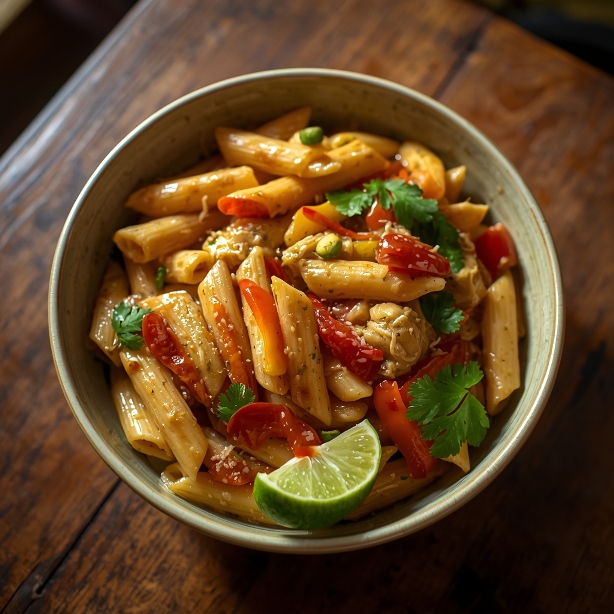
You’ve had Alfredo. You’ve had marinara.
But have you tasted Rasta Pasta—the vibrant, creamy, pepper-flecked Jamaican-inspired dish that’s equal parts comfort food and Caribbean celebration?
If not, you’re missing out on one of the most flavorful, easy-to-make pasta dishes in America right now.
In 2025, with more home cooks embracing global flavors and bold spices, Rasta Pasta is surging. Google Trends shows searches for “Jamaican Rasta Pasta” up over 180% since early 2024—and TikTok is full of #RastaPasta videos racking up millions of views.
And for good reason: it’s ready in 30 minutes, uses pantry staples, and delivers a flavor punch that feels like a vacation in a bowl.
What Is Rasta Pasta? (Hint: It’s Not Just Pasta)
Despite the name, Rasta Pasta isn’t traditional Jamaican cuisine—it’s a modern fusion dish born in Jamaican-American kitchens and popularized by Caribbean restaurants across the U.S.
The name comes from its signature rainbow of bell peppers—green, yellow, red—said to reflect the colors of the Rastafarian flag (red, gold, green). But don’t worry: this dish is about flavor, not politics.
At its core, Rasta Pasta is:
- Tender penne or fettuccine
- Sautéed bell peppers and onions
- Juicy chicken, shrimp, or tofu
- A creamy coconut or dairy-based sauce
- Seasoned with garlic, thyme, and a touch of heat
It’s rich but not heavy. Creamy but bright. And deeply satisfying.
Your Foolproof Jamaican-Style Rasta Pasta Game Plan
The secret? Sauté the veggies first, then build the sauce around them.
Ingredients (serves 4):
- 12 oz penne or fettuccine
- 1 lb chicken breast or thighs, cubed (or shrimp, tofu, or just veggies)
- 1 red bell pepper, sliced
- 1 yellow bell pepper, sliced
- 1 green bell pepper, sliced
- 1 small onion, sliced
- 3 garlic cloves, minced
- 1 tsp dried thyme (or 1 tbsp fresh)
- ½ tsp allspice (optional but authentic)
- 1 cup heavy cream OR full-fat coconut milk (for dairy-free)
- ½ cup chicken broth
- 2 tbsp olive oil
- Salt, black pepper, hot sauce or Scotch bonnet (optional)
- Fresh parsley or cilantro for garnish
Instructions:
- Cook pasta according to package directions. Drain, toss with a little oil, and set aside.
- Heat oil in a large skillet over medium-high heat. Sear chicken until golden and cooked through. Remove and set aside.
- In the same skillet, sauté onions and bell peppers for 6–8 minutes until tender-crisp. Add garlic, thyme, and allspice; cook 1 minute.
- Reduce heat to medium. Pour in cream (or coconut milk) and broth. Simmer 3–5 minutes until slightly thickened.
- Return chicken to the pan. Stir in cooked pasta. Toss to coat.
- Season with salt, pepper, and a dash of hot sauce if desired.
- Garnish with fresh herbs. Serve immediately.
Total active time: 25 minutes. Total hands-off: 5.
Real-life win: I made this last Friday for a “fakeaway” night. My kids thought we ordered takeout—until they saw the pot on the stove.
Real-Life Scenarios Where This Shines
- Weeknight reset: Faster than delivery, more satisfying than frozen meals.
- Meal prep MVP: Keeps for 3 days in the fridge. Reheats beautifully with a splash of broth.
- Dinner party showstopper: Feels exotic but takes less time than lasagna.
- Kid-friendly twist: My nephew calls it “rainbow pasta” and eats every bite—even the peppers.
- Budget brilliance: Total cost: ~$12 for 4 servings. Less than two drive-thru coffees.
Pro Tips From Someone Who’s Made This Dozens of Times
- Use full-fat coconut milk for dairy-free creaminess—it won’t curdle and adds subtle sweetness.
- Don’t overcook the peppers. They should be tender but still colorful and crisp.
- Add acid at the end: A squeeze of lime or lemon juice brightens the richness.
- Go spicy (or not): Skip the Scotch bonnet if you’re sensitive—but a pinch of cayenne adds depth without heat.
- Make it vegan: Use tofu, coconut milk, and veggie broth. Still rich, still satisfying.
Top 5 FAQs People Actually Search For
1. Is Rasta Pasta actually Jamaican?
It’s a Jamaican-American creation—inspired by island flavors but not found in traditional Jamaican homes. Think of it as “Caribbean soul food” made for U.S. kitchens.
2. Can I use coconut milk instead of cream?
Yes! Full-fat canned coconut milk works beautifully and adds a subtle tropical note. Avoid “lite” versions—they’re too thin.
3. What kind of pasta works best?
Penne, rotini, or fettuccine hold the sauce well. Avoid long strands like spaghetti—they don’t mix evenly.
4. Can I make it ahead of time?
Yes—but add the pasta just before serving. Otherwise, it absorbs too much sauce and turns dry.
5. How spicy is it supposed to be?
Traditionally mild with optional heat. Most recipes include hot sauce on the side so everyone can customize their bowl.
The Bottom Line
Rasta Pasta isn’t just trendy.
It’s real food that brings joy, color, and bold flavor to your table—without the fuss.
It proves you don’t need a passport to enjoy global cuisine. With a few bell peppers, some cream (or coconut milk), and a sprinkle of thyme, you can create a dish that feels like sunshine on a plate.
So next time you’re craving something creamy, colorful, and deeply satisfying, skip the jarred sauce. Grab those rainbow peppers, fire up your skillet, and build yourself a bowl of island-inspired comfort.
Your future self—twirling forkfuls of silky, savory, vibrant pasta—will thank you.
See Also – Weeknight Oven Meals: 30-Minute Dinners That Feed Your Family (Without the Stress)