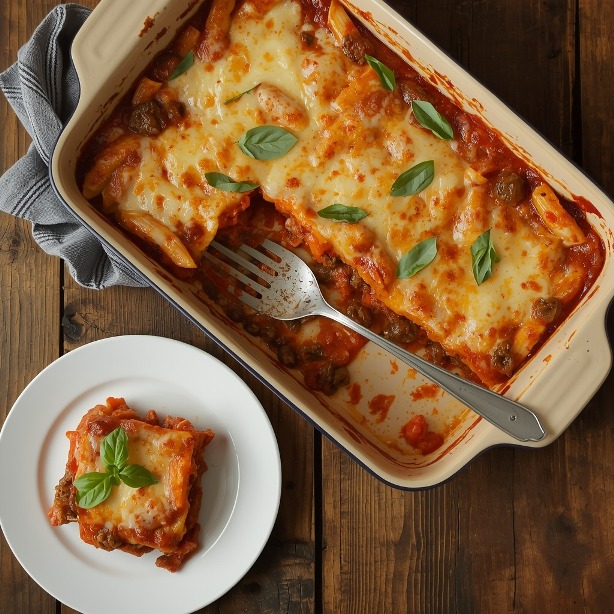
You love casseroles.
But if you’re gluten-free—or cooking for someone who is—that bubbling, cheesy dream often feels off-limits.
Most recipes rely on flour-thickened sauces, regular pasta, or bread crumbs… and the gluten-free versions? They’re often dry, crumbly, or taste like cardboard.
What if you could make a rich, creamy, deeply satisfying casserole—with real flavor, perfect texture, and zero gluten?
Good news: you can. And it’s easier than you think.
In 2025, with over 3 million Americans diagnosed with celiac disease—and millions more avoiding gluten for sensitivity or preference—demand for truly delicious gluten-free meals is surging. Google Trends shows searches for “gluten-free dinner casserole” up over 140% since early 2024.
This isn’t about compromise. It’s about inclusion, comfort, and joy around the table—for everyone.
Why Most Gluten-Free Casseroles Fail (And How to Fix It)
The problem isn’t gluten-free ingredients. It’s how they’re used.
Common pitfalls:
- Over-relying on processed GF pasta that turns mushy
- Skipping thickening agents, leading to watery sauces
- Using low-quality substitutes that lack flavor
The fix? Build from whole foods and smart swaps.
Focus on naturally gluten-free bases like rice, quinoa, potatoes, or veggies. Use certified GF sauces. And thicken with cornstarch, arrowroot, or nut flours instead of wheat.
4 Foolproof Gluten-Free Casserole Recipes That Actually Work
1. Gluten-Free Baked Ziti
- Use certified GF penne (like Barilla or Jovial)
- Sauce: Rao’s marinara (certified GF) + lean ground beef
- Cheese: Whole-milk ricotta + mozzarella
- Pro tip: Cook pasta 1 minute less than directed—it softens more in the oven.
2. Creamy Chicken & Rice Casserole
- Base: Long-grain white rice (naturally GF)
- Sauce: Homemade roux with butter + cornstarch + chicken broth
- Add-ins: Diced carrots, peas, shredded chicken
- Top with cheddar and GF panko (like Schar or homemade almond flour crumbs)
3. Shepherd’s Pie with Mashed Potatoes
- Filling: Ground beef, onions, carrots, GF Worcestershire sauce
- Topping: Creamy mashed Yukon Golds with garlic and Parmesan
- Bonus: No flour needed—the natural starch thickens the filling.
4. Breakfast Egg Bake with GF Bread
- Cubed certified GF bread (Canyon Bakehouse or Three Bakers)
- Fill with eggs, turkey sausage, spinach, and cheddar
- Key: Let it soak overnight so bread absorbs custard without disintegrating.
Real-Life Wins These Casseroles Deliver
- Family dinners with mixed diets: My friend makes GF baked ziti for her daughter with celiac—and her meat-loving husband asks for seconds.
- Holiday gatherings: Bring shepherd’s pie to Thanksgiving. It’s safe for everyone and always a hit.
- Meal prep for sensitive stomachs: Keeps for 4 days in the fridge. Freezes beautifully.
- Weeknight comfort without cross-contamination: Safe for celiac households when made with certified GF ingredients.
- Potluck perfection: Looks and tastes just like the original—no one guesses it’s gluten-free.
Pro Tips From Someone Who’s Tested Every GF Ingredient
- Always use certified GF labels. “Wheat-free” isn’t enough—oats, soy sauce, and broths often contain hidden gluten.
- Don’t skip the rest time. GF casseroles need 10–15 minutes to set after baking—otherwise, they fall apart.
- Boost moisture: GF pasta and bread absorb more liquid. Add an extra ¼ cup broth or sauce before baking.
- Make your own GF topping: Pulse almonds, Parmesan, and olive oil in a food processor for a crunchy, flavorful crust.
- Double-check canned goods: Many soups, broths, and sauces contain gluten. Stick to brands like Pacific Foods, Imagine, or homemade.
Top 5 FAQs People Actually Search For
1. Can I use regular pasta if I’m “just avoiding gluten”?
If you have celiac disease or gluten sensitivity, no—even trace amounts can cause harm. Always use certified GF pasta.
2. What’s the best GF pasta for casseroles?
Brown rice or corn-based penne (Barilla GF) holds shape best. Avoid chickpea pasta—it can turn grainy when baked.
3. Can I freeze gluten-free casseroles?
Yes! Cool completely, wrap tightly, and freeze up to 3 months. Thaw overnight in the fridge, then bake covered at 375°F for 30 minutes.
4. How do I thicken a GF casserole without flour?
Use 1 tbsp cornstarch mixed with 2 tbsp cold water per cup of liquid. Stir in during the last 10 minutes of baking.
5. Are all cheeses gluten-free?
Most are—but avoid pre-shredded cheese (it often contains anti-caking agents with gluten). Stick to blocks you grate yourself.
The Bottom Line
Gluten-free dinner casserole isn’t about restriction.
It’s about bringing everyone to the table—with warmth, flavor, and zero compromise.
With the right ingredients and smart techniques, you can create dishes that are indistinguishable from the classics… except for one thing: they’re safe for every guest at your table.
So next time you’re craving comfort—but need to keep it gluten-free—grab that box of GF pasta, that bag of rice, or those potatoes. Build your layers. Bake with confidence.
Your future self—serving perfect, sliceable squares to smiles all around—will thank you.
See Also – The Ultimate Casserole Substitutions Guide: Swap Ingredients Like a Pro (Without Ruining Dinner)